
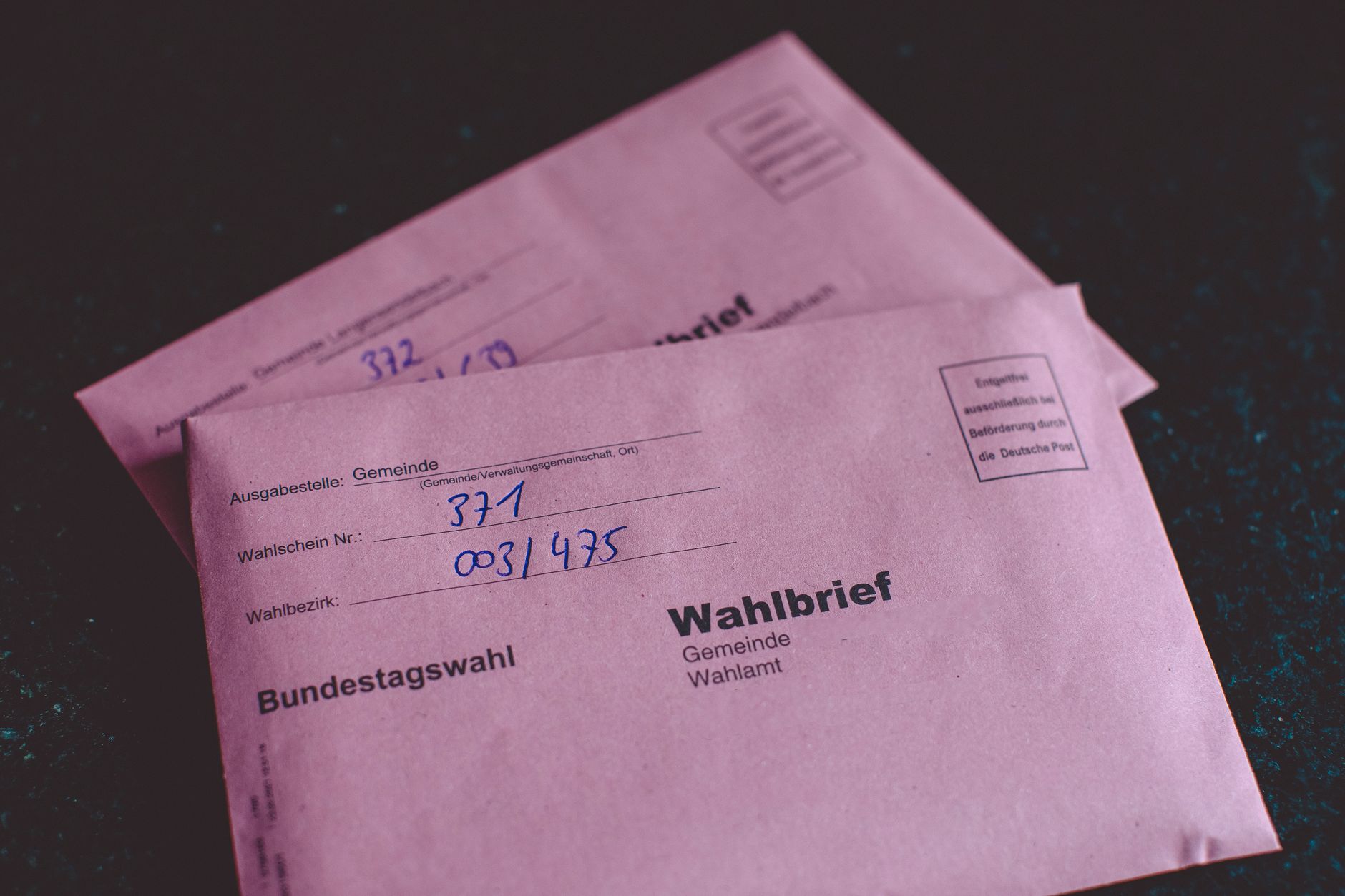
The German state election disaster has been described by Chancellor Merz as a significant setback for his party. Despite this, he pledges to continue his leadership role.
Overview of the Election Results
The recent German state election has been deemed a significant setback for the ruling party, with Chancellor Merz labeling the results a “disaster.” This election outcome marks the worst performance for Merz’s party since he took leadership. The implications of this election disaster extend beyond mere numbers, as it reflects growing discontent among voters and shifting political sentiments across the nation.
Key outcomes from the election include:
- Loss of key states: The party suffered major losses in pivotal regions.
- Voter turnout: Turnout was lower than expected, signaling potential voter apathy.
- Opposition gains: Rival parties capitalized on the discontent, securing significant victories.
Despite the grim results, Chancellor Merz has vowed to continue leading the party, urging members to regroup and strategize for future elections.
Impact on Merz’s Leadership
The recent German state election disaster has sent shockwaves through the political landscape, significantly impacting the leadership of Friedrich Merz. Following the disappointing results, Merz acknowledged the gravity of the situation, describing the outcome as a profound setback for his party. His leadership is now under intense scrutiny as party members and analysts express concerns about future electoral viability.
Several factors have contributed to this turmoil:
- Declining public support: Voter dissatisfaction has risen, leading to a loss of confidence in Merz’s ability to steer the party effectively.
- Internal party divisions: Fractures within the party threaten to undermine Merz’s authority and his vision for its future.
- Opposition gains: The state elections saw a significant increase in support for rival parties, further complicating Merz’s leadership challenges.
Despite the crisis, Merz has vowed to remain at the helm and navigate through these turbulent times.
Voter Sentiment Analysis
Following the recent German state election disaster, voter sentiment appears to reflect a significant shift in political allegiance. Many constituents expressed disillusionment with the current leadership, particularly citing dissatisfaction with Merz’s handling of key issues.
In a recent survey conducted post-election, respondents highlighted several critical factors influencing their decisions:
- Economic Concerns: A majority expressed worry about rising living costs and inflation.
- Environment: Voters emphasized the need for stronger climate policies.
- Public Services: Many felt that education and healthcare systems require urgent reforms.
Moreover, discontent with party unity was prevalent, as voters noted a growing divide within Merz’s party. As a result, the election outcomes pose a serious challenge for the future direction of the party.
Comparative State Election Outcomes
The recent German state election disaster has highlighted significant discrepancies in electoral performance across various regions. In states where the ruling party faced challenges, voter turnout was notably lower, indicating a growing discontent among constituents. Key states and their outcomes include:
- Bavaria: The ruling party maintained a slim majority, but with a decrease in support compared to previous elections.
- North Rhine-Westphalia: A significant shift occurred as opposition parties surged, capturing vital seats.
- Brandenburg: The ruling party suffered a severe setback, marking one of its worst performances in years.
These results reflect a broader trend across Germany, as voters express frustration with current leadership, contributing to what many are calling a German state election disaster for Chancellor Merz and his party.
Responses from Other Political Leaders
In the aftermath of the recent elections, reactions from various political leaders have intensified. Many expressed concern over the German state election disaster and its implications for the future of the political landscape. Chancellor Merz, while acknowledging the disappointing results for his party, emphasized his commitment to remain in leadership. He stated, “We must learn from this and rebuild trust with the electorate.”
Opposition leaders seized the opportunity to critique the ruling party. Anna Schmitt, leader of the Green Party, remarked, “This election reflects the public’s growing disillusionment with Merz’s policies.” Meanwhile, Tom Keller from the Social Democrats called for a “serious reflection on the government’s direction.”
As leaders navigate the fallout, the focus remains on how these results will shape future political strategies and voter engagement efforts across Germany.
Future Strategies for Merz
In the wake of the recent German state election disaster, Friedrich Merz faces significant pressure to reassess his party’s strategies moving forward. Analysts suggest that adapting to the changing political landscape is crucial for the future of his leadership. Key areas of focus may include:
- Engaging with Voters: Increasing outreach efforts to understand and address voter concerns.
- Policy Revisions: Reevaluating existing policies to better align with public sentiment.
- Strengthening Party Unity: Promoting cohesion within the party to present a united front.
- Leveraging Digital Campaigns: Utilizing social media platforms to connect with younger voters.
As Merz vows to stay on, he must navigate these challenges effectively to restore confidence in his leadership and mitigate the fallout from this electoral setback.
Public Reactions to the Election
Public reactions to the recent German state election disaster have been swift and intense. Many citizens expressed their disappointment with the results, signaling a shift in political sentiment across the nation. Social media platforms have been flooded with comments highlighting a growing frustration with the current leadership.
Key reactions include:
- Voter Discontent: Numerous voters voiced their concerns about the direction of Merz’s party, questioning its ability to effectively address pressing issues.
- Protests: Several demonstrations have emerged, with participants calling for accountability and change within the political landscape.
- Support for Opposition: There is a notable increase in support for opposition parties, reflecting a desire for new ideas and policies.
As the dust settles, it remains to be seen how Merz will navigate the fallout from this election disaster and regain the trust of the electorate.
Conclusion and Next Steps
In the wake of the German state election disaster, the political landscape has shifted dramatically for Merz and his party. As he navigates the fallout from these results, immediate next steps are crucial for restoring confidence among supporters and party members. Merz has expressed his commitment to remain in leadership despite the setback, indicating a plan to reassess strategies and engage with voters more effectively.
Key actions moving forward may include:
- Rebuilding party unity: Fostering collaboration among party factions to strengthen overall messaging.
- Enhanced voter outreach: Implementing direct communication initiatives to understand and address voter concerns.
- Policy re-evaluation: Adjusting party policies to better align with public sentiment and contemporary issues.
As the party embarks on this critical journey, the focus will be on learning from this electoral disaster to pave a more successful path ahead.
The recent German state election disaster has raised serious questions about the leadership of the CDU under Merz. Observers are now analyzing the implications of this German state election disaster for future party strategies.
Photo by Markus Spiske on Pexels