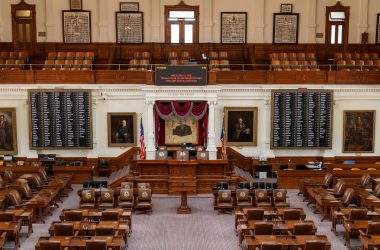
The Michigan Senate debate showcased a heated exchange between El-Sayed and Rogers, highlighting their differing perspectives on crucial issues.
Overview of the Debate
The recent Michigan Senate debate showcased a vigorous clash between candidates Abdul El-Sayed and Mike Rogers, each presenting their visions for the future of the state. The debate highlighted key issues that resonate with voters as they prepare for the upcoming election.
Throughout the evening, both candidates had the opportunity to outline their positions on critical topics such as:
- Healthcare: El-Sayed advocated for a universal healthcare system, while Rogers emphasized the need for reforms within the current framework.
- Education: The candidates differed on funding priorities, with El-Sayed pushing for increased investment in public schools and Rogers focusing on school choice.
- Economy: Both candidates presented their plans to stimulate job growth, yet their approaches varied significantly.
As the debate unfolded, the contrast between El-Sayed’s progressive platform and Rogers’ more conservative stance became increasingly apparent. Voters are left to ponder the implications of the Michigan Senate debate as they weigh their options ahead of the polls. With the election drawing near, the candidates’ performances may play a crucial role in swaying undecided voters.
Key Moments from El-Sayed
During the Michigan Senate debate, several key moments highlighted the contrasting visions of the candidates. Abdul El-Sayed, a progressive candidate, emphasized his commitment to healthcare reform, stating that access to affordable healthcare is a fundamental right. He passionately argued for the expansion of Medicare, aiming to provide coverage for all residents of Michigan.
El-Sayed also took the opportunity to criticize his opponent, Mike Rogers, for his stance on climate change. He declared that addressing environmental issues is crucial for Michigan’s future, insisting on the need for a comprehensive green energy plan. This stance resonated with many young voters present in the audience.
Another notable moment came when El-Sayed responded to questions about economic disparities. He asserted that investing in education and job training programs is essential to uplift underprivileged communities in Michigan. His emphasis on social justice and equity stood in stark contrast to Rogers’ more traditional economic policies.
Overall, El-Sayed’s performance in the Michigan Senate debate showcased his ability to connect with voters on pressing issues, establishing a clear narrative that positions him as a forward-thinking leader.
Rogers’ Main Arguments
During the Michigan Senate debate, candidate Mike Rogers presented several key arguments aimed at energizing his base and appealing to undecided voters. His main focus was on public safety, emphasizing the need for stronger law enforcement support and harsher penalties for violent crimes. Rogers stated, “We must ensure our communities feel safe and that justice is served swiftly.”
Additionally, he highlighted economic issues, arguing that job creation should be prioritized. He proposed tax incentives for businesses that invest in Michigan, claiming, “A thriving economy starts with supporting our local businesses and attracting new investments.”
Rogers also addressed healthcare, advocating for a system that lowers costs while improving access. He asserted that healthcare should be a right, not a privilege, and proposed reforms to make this a reality.
Throughout the Michigan Senate debate, Rogers aimed to distinguish himself from his opponent by focusing on practical solutions and appealing directly to the concerns of voters. His unwavering stance on these issues resonated with many in the audience and could play a critical role in shaping the election outcome.
Voter Reactions
As the Michigan Senate debate unfolded, voter reactions poured in from various segments of the community, reflecting a mix of enthusiasm and concern regarding the candidates’ positions. Many attendees expressed appreciation for the opportunity to hear directly from Abdul El-Sayed and Mike Rogers about their visions for Michigan’s future.
Some voters felt that El-Sayed’s progressive agenda resonated strongly with younger audiences, particularly on issues such as climate change and healthcare reform. One student noted, “His approach feels fresh and relevant to what we’re facing today.” In contrast, supporters of Rogers highlighted his experience and pragmatic solutions, with one business owner stating, “We need someone who understands the economy and can bring stability.”
Social media was abuzz with reactions as well, with many users sharing clips from the debate. The candidates’ contrasting styles led to a lively online discussion. A common sentiment among viewers was the importance of the Michigan Senate debate in helping them make informed decisions ahead of the election, emphasizing that every point raised could impact their vote.
Overall, voter reactions showcased a heightened engagement and a clear division in priorities between the candidates.
Impact on the Election
The recent Michigan Senate debate between El-Sayed and Rogers has left a significant mark on the upcoming election. As both candidates articulated their visions, the clash highlighted key differences that could sway undecided voters. El-Sayed focused on progressive policies, aiming to energize younger voters who are increasingly turning to candidates who prioritize climate change and social justice. Conversely, Rogers emphasized bipartisan solutions, seeking to appeal to moderate voters concerned about economic stability.
According to political analysts, the impact of the debate may be felt particularly among independent voters. Many in this group expressed confusion over which candidate aligns more closely with their values. The Michigan Senate debate showcased both candidates’ strengths but also exposed their vulnerabilities. El-Sayed’s passionate delivery might have inspired some, yet his lack of experience in statewide office raised questions for others. On the other hand, while Rogers presented himself as a steady hand, critics argue that his reluctance to engage more vigorously on pressing issues could alienate younger constituents.
As the election approaches, the dynamics established in the debate will likely influence campaign strategies and voter turnout. The stakes are high, and both candidates must navigate the aftermath of this pivotal moment carefully.
Future Debates to Watch
As the Michigan Senate debate highlighted the contrasting visions of candidates, future debates are expected to play a crucial role in shaping voter opinions. The upcoming discussions will likely focus on pivotal issues such as healthcare, education, and economic recovery, which are central to both campaigns.
Voters will be keen to see how each candidate evolves their messaging in response to the critical feedback gathered from the initial debate. Key factors to watch include:
- Candidate Performance: How well will El-Sayed and Rogers adapt their strategies based on the public’s reception of their arguments?
- Policy Proposals: Will either candidate introduce new policy ideas that resonate more with Michigan voters?
- Engagement with Voters: How do both candidates plan to interact with constituents in future forums?
- Debate Format Changes: Will moderators adjust the format to encourage more direct engagement between the candidates?
These elements will be critical as the candidates prepare for future debates, especially as the Michigan Senate debate continues to influence the election landscape.
Conclusion and Insights
The Michigan Senate debate has provided valuable insights into the contrasting visions of the candidates, with both El-Sayed and Rogers presenting their platforms clearly. Voter reactions indicate a divide in priorities, emphasizing the importance of the issues discussed during the debate.
One of the standout aspects of the evening was the candidates’ ability to articulate their stances on critical topics such as healthcare, education, and economic growth. El-Sayed emphasized his commitment to progressive reforms, appealing to younger voters, while Rogers focused on traditional values and fiscal responsibility, resonating with more conservative constituents.
As both candidates prepare for future debates, the insights gained from this Michigan Senate debate will likely shape their strategies. Observers noted that the ability to connect with the audience was crucial, and both candidates demonstrated strengths in different areas.
Looking ahead, it will be essential for voters to consider how each candidate’s proposals align with their own priorities. The upcoming debates may further clarify these positions, making it imperative for constituents to stay informed as the election approaches.
Ultimately, the Michigan Senate debate has set the stage for a competitive race, with clear takeaways that will undoubtedly influence the electoral landscape.