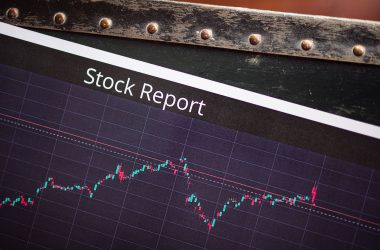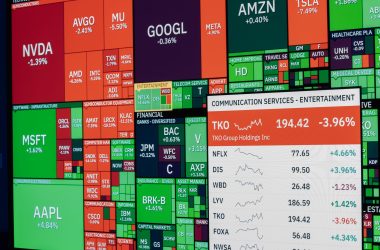

Stock market recovery is evident today as the Dow and S&P 500 make a strong comeback after a recent sell-off. Investors are encouraged by the drop in oil prices, which has sparked optimism across the markets.
Market Overview
The stock market recovery gained momentum today as major indices rebounded from a recent sell-off. The Dow Jones Industrial Average and the S&P 500 both posted significant gains, signaling renewed investor confidence. This upward shift comes on the heels of falling oil prices, which have eased inflation concerns and spurred buying activity across various sectors.
Analysts noted several key factors contributing to this recovery:
- Oil Prices: A decrease in crude oil prices has alleviated some pressure on consumers and businesses alike.
- Investor Sentiment: A more optimistic outlook among investors has led to increased buying, particularly in technology and consumer discretionary stocks.
- Economic Data: Recent economic reports have shown resilience, contributing to the belief that the recovery may be sustainable.
As the trading day unfolds, market watchers are keenly observing how these trends will impact the broader economy. If the stock market recovery continues, it could signal a shift in investor strategy moving forward, with a focus on long-term growth rather than short-term volatility.
Impact of Oil Prices
The recent stock market recovery has been significantly influenced by the decline in oil prices. Analysts suggest that lower oil costs can alleviate inflationary pressures, providing a more favorable environment for investors. This shift in energy prices has led to a renewed sense of optimism among traders, contributing to the bounce back of major indices like the Dow and S&P 500.
As oil prices fell, several sectors reacted positively:
- Consumer Discretionary: Lower transportation costs enhance consumer spending power.
- Industrials: Companies in this sector benefit from reduced operational costs.
- Travel and Leisure: A drop in fuel prices encourages more travel and tourism, boosting revenue for businesses in these areas.
Market experts emphasize that while the stock market recovery is encouraging, it is essential to monitor the volatility of oil prices closely. Fluctuations can have ripple effects across the economy, influencing not only stock performance but also consumer confidence. As such, investors remain cautiously optimistic, watching how these developments unfold in the coming weeks.
Investor Sentiment
Investor sentiment has shown a marked improvement following the recent stock market recovery, as major indices like the Dow and S&P 500 rebounded from previous losses. This resurgence can be attributed to a combination of factors that have revived confidence among traders and investors.
Many investors are feeling optimistic due to the recent dip in oil prices, which has alleviated concerns about inflation and potential economic slowdowns. Lower oil prices can lead to reduced transportation and production costs, helping to boost corporate profits in various sectors.
Additionally, a series of positive economic indicators has contributed to a more favorable outlook. Recent reports on job growth and consumer spending have encouraged market participants to reassess their positions and embrace a more bullish approach.
As a result, the atmosphere on trading floors has shifted significantly. Key players are cautiously optimistic, with many seeing this as a potential turning point for the markets. The recovery in the stock market is being closely monitored, as sustained gains could indicate a broader rebound in investor confidence.
- Increased buying activity observed
- Market participants optimistic about future growth
- Focus on economic stability ahead
Key Index Performances
In a strong showing today, key indices made notable gains, signaling a potential stock market recovery following recent volatility. The Dow Jones Industrial Average rose significantly, closing up by over 300 points, marking its largest one-day increase in several weeks. The S&P 500 also followed suit, climbing more than 2%, as investors regained confidence amid a backdrop of easing oil prices.
Performance highlights include:
- Dow Jones Industrial Average: +320 points
- S&P 500: +2.3%
- Nasdaq Composite: +2.6%
Analysts attribute this rebound to a combination of factors, including improved investor sentiment and positive earnings reports from several major companies. The decline in oil prices has further alleviated concerns regarding inflation, contributing to the optimistic outlook for the market. As traders assess the latest economic data, the potential for a sustained stock market recovery appears increasingly likely, should these positive trends continue.
Market participants are closely monitoring upcoming reports that could influence further movement in the indices, with hopes that this momentum will persist in the coming weeks.
Future Market Predictions
As investors assess the recent rebound in the stock market recovery, analysts are weighing potential future trends. The return of optimism following the downturn has sparked discussions on whether this momentum can be sustained. Key factors expected to influence the market in the coming weeks include economic indicators, corporate earnings reports, and global events.
Many analysts suggest that a continued decline in oil prices could further bolster market confidence, as it may lead to reduced inflationary pressures. This, in turn, could prompt the Federal Reserve to adopt a more dovish stance on interest rates. However, concerns remain regarding ongoing geopolitical tensions, which could introduce volatility.
Market experts are closely monitoring the following:
- Interest Rates: Any changes by the Federal Reserve could significantly impact investor behavior.
- Corporate Earnings: Upcoming reports will be crucial in determining the health of various sectors.
- Global Events: Stability or instability in international markets may sway investor sentiment.
In conclusion, while the stock market recovery shows promise, it is essential for investors to remain vigilant and informed as they navigate potential challenges ahead.
By DFID – UK Department for International Development via Openverse