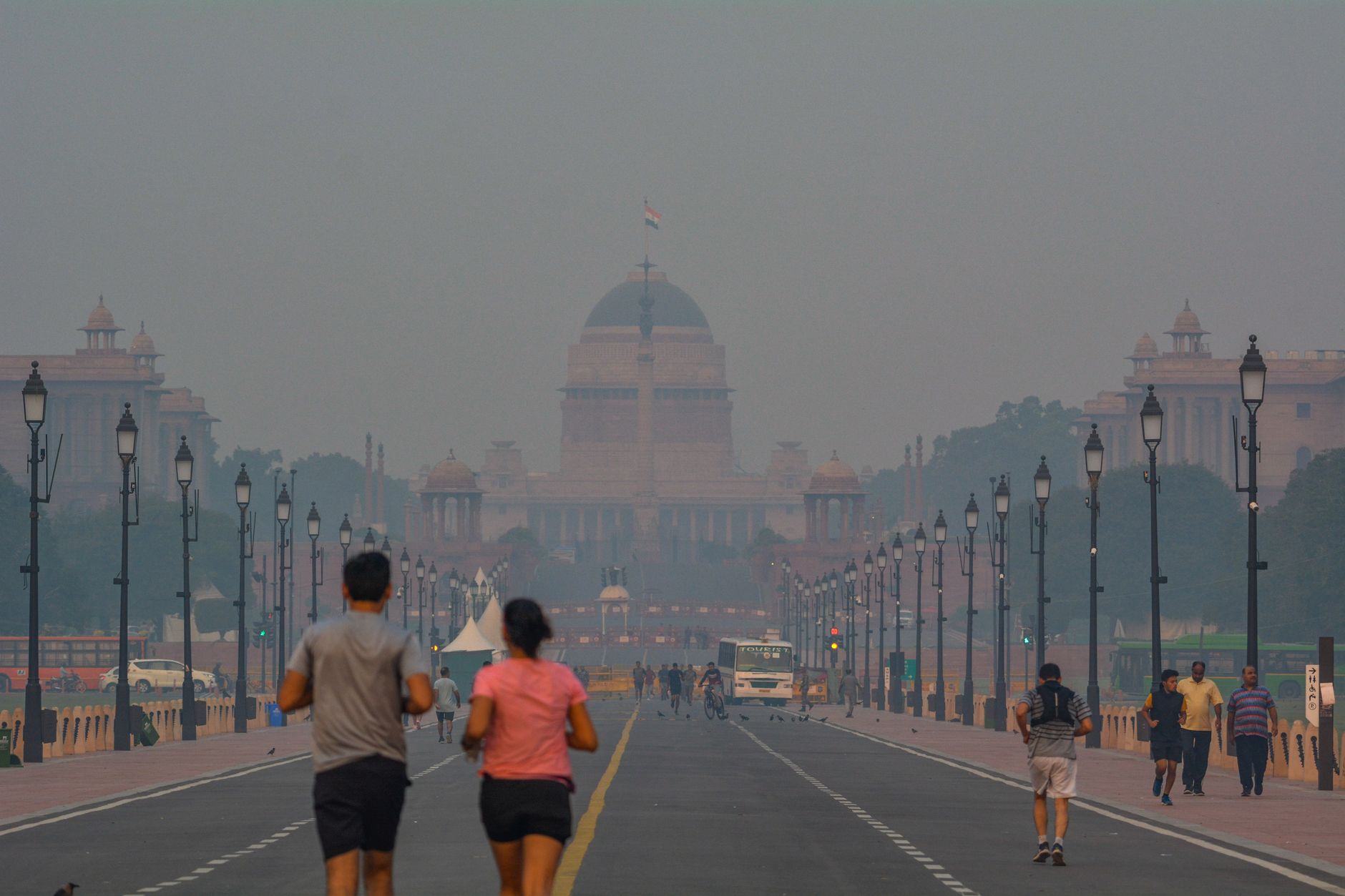
Delhi air quality is alarmingly low this morning, with an AQI of 366, marking a ‘very poor’ status following the Diwali festivities.
What is AQI and why does it matter?
The Air Quality Index (AQI) is a measure used to communicate how polluted the air currently is or how polluted it is forecast to become. It provides a clear understanding of the level of air pollution and its potential impact on health, making it a vital tool for public awareness.
AQI values range from 0 to 500, with lower values indicating better air quality and higher values signifying worse conditions. The AQI is categorized into different levels, such as:
- Good (0-50): Air quality is considered satisfactory, and air pollution poses little or no risk.
- Moderate (51-100): Air quality is acceptable; however, there may be a risk for some people, particularly those who are unusually sensitive to air pollution.
- Poor (101-200): Everyone may begin to experience health effects, and members of sensitive groups may experience more serious health effects.
- Very Poor (201-300): Health effects are likely for everyone, and outdoor activities should be limited.
- Severe (301-500): Health alert; everyone may experience more serious health effects.
In Delhi, the air quality recently reached alarming levels, with an AQI of 366 reported after Diwali, indicating severely compromised air quality. This deterioration poses significant risks to public health and emphasizes the importance of monitoring the Delhi air quality closely.
Impact of Diwali on air quality
The celebration of Diwali in Delhi has once again had a significant impact on air quality, with the city recording its worst Air Quality Index (AQI) at 366. This alarming figure underscores the detrimental effects of firecrackers and festive activities on the environment. The post-Diwali situation has exacerbated an already critical issue, as many residents woke up to a thick blanket of smog, making it difficult to breathe.
Several factors contribute to the deteriorating air quality in the capital:
- Firecracker emissions: The use of fireworks during the festival releases a substantial amount of particulate matter into the atmosphere.
- Stubble burning: Agricultural practices in neighboring states continue to add to the pollution levels, especially during the winter months.
- Weather conditions: The cool, stagnant air traps pollutants close to the ground, preventing dispersion and leading to higher concentrations of harmful particles.
As a result, health experts have raised concerns over the immediate and long-term impacts of such poor air quality on public health. Vulnerable populations, including children and the elderly, are at increased risk for respiratory issues and other health complications. The situation calls for increased awareness and action to mitigate the pollutants contributing to Delhi’s air quality crisis.
Current air quality levels in Delhi
The current air quality levels in Delhi have reached alarming figures, with the Air Quality Index (AQI) soaring to a staggering 366, categorizing it as ‘very poor’. This drastic decline comes just after the Diwali celebrations, which are often associated with increased pollution due to the use of fireworks and other activities.
According to the latest data, several areas in the capital are experiencing particularly severe air quality issues. The following locations reported some of the worst AQI levels:
- Delhi University: AQI at 400
- Punjabi Bagh: AQI at 389
- Wazirpur: AQI at 376
- Rohini: AQI at 370
This deterioration in air quality has raised serious health concerns among residents, particularly for vulnerable groups such as children, the elderly, and those with pre-existing respiratory conditions. Experts warn that prolonged exposure to such unhealthy air can lead to significant health risks, including respiratory diseases and cardiovascular issues.
As the city grapples with these conditions, officials are urging citizens to take precautions and limit outdoor activities. The situation highlights the ongoing challenge of managing air quality in Delhi, especially during festive seasons.
Health effects of poor air quality
The deteriorating Delhi air quality has significant health implications for its residents. With the Air Quality Index (AQI) soaring to 366 following the Diwali celebrations, a range of health issues can arise, particularly for vulnerable populations.
Exposure to such poor air quality can lead to:
- Respiratory problems: Increased levels of pollutants can aggravate conditions such as asthma, bronchitis, and chronic obstructive pulmonary disease (COPD).
- Cardiovascular issues: Poor air quality is linked to heart attacks, strokes, and other heart-related problems.
- Long-term health effects: Prolonged exposure to high levels of air pollution can result in reduced lung function and increased risk of lung cancer.
- Impact on children: Children are particularly susceptible, with studies showing that poor air quality can hinder their lung development and lead to cognitive issues.
- Mental health concerns: Emerging research suggests a correlation between air pollution and mental health disorders, including anxiety and depression.
It is crucial for residents to take precautions during times of poor air quality, such as staying indoors, using air purifiers, and wearing masks when going outside. Awareness and proactive measures can help mitigate the adverse effects of the current air quality crisis in Delhi.
Government response to pollution
In response to the alarming levels of air pollution following Diwali celebrations, the Delhi government has announced a series of measures aimed at combating the deteriorating air quality. With the Air Quality Index (AQI) soaring to a concerning 366, officials are prioritizing public health and safety.
The government has implemented the following strategies:
- Temporary suspension of construction activities: All construction and demolition work has been put on hold to reduce dust and particulate matter in the air.
- Increased monitoring: Air quality monitoring stations will be enhanced to provide real-time data to the public and authorities.
- Public awareness campaigns: The government plans to launch initiatives to educate citizens about the importance of reducing pollution and the impact of their actions.
- Stricter regulations on vehicular emissions: Enforcement of existing emission norms will be tightened, and checks will be conducted on vehicles contributing to the air quality crisis.
Officials stress the importance of collective action from both the government and the public to address the ongoing air quality crisis in Delhi. Residents are urged to avoid outdoor activities and wear masks when necessary to protect their health during this critical time.
Tips for staying safe in polluted air
As Delhi grapples with its air quality crisis, recording an Air Quality Index (AQI) of 366, it is vital for residents to take precautions to safeguard their health. Here are some tips for staying safe in polluted air:
- Stay Indoors: Limit outdoor activities, especially during peak pollution hours in the morning and evening.
- Use Air Purifiers: Invest in high-quality air purifiers to reduce indoor pollution levels. Ensure they are equipped with HEPA filters.
- Keep Windows Closed: Minimize outdoor air infiltration by keeping windows and doors shut, especially on days when pollution levels are high.
- Wear Masks: If you must go outside, consider wearing a mask that filters out harmful particles, such as an N95 respirator.
- Monitor Air Quality: Stay updated on the air quality index and follow local advisories to plan your activities accordingly.
- Stay Hydrated: Drinking plenty of water can help your body cope with the effects of pollution.
- Seek Medical Advice: If you experience respiratory problems or other health issues, consult a healthcare professional promptly.
By following these guidelines, residents can better navigate the challenges posed by the deteriorating Delhi air quality and protect their well-being.
The alarming state of Delhi air quality has raised concerns among residents and health experts alike. With the worst AQI at 366 after Diwali, many are calling for immediate action to combat pollution.
Photo by Saakshi Yadav on Pexels