
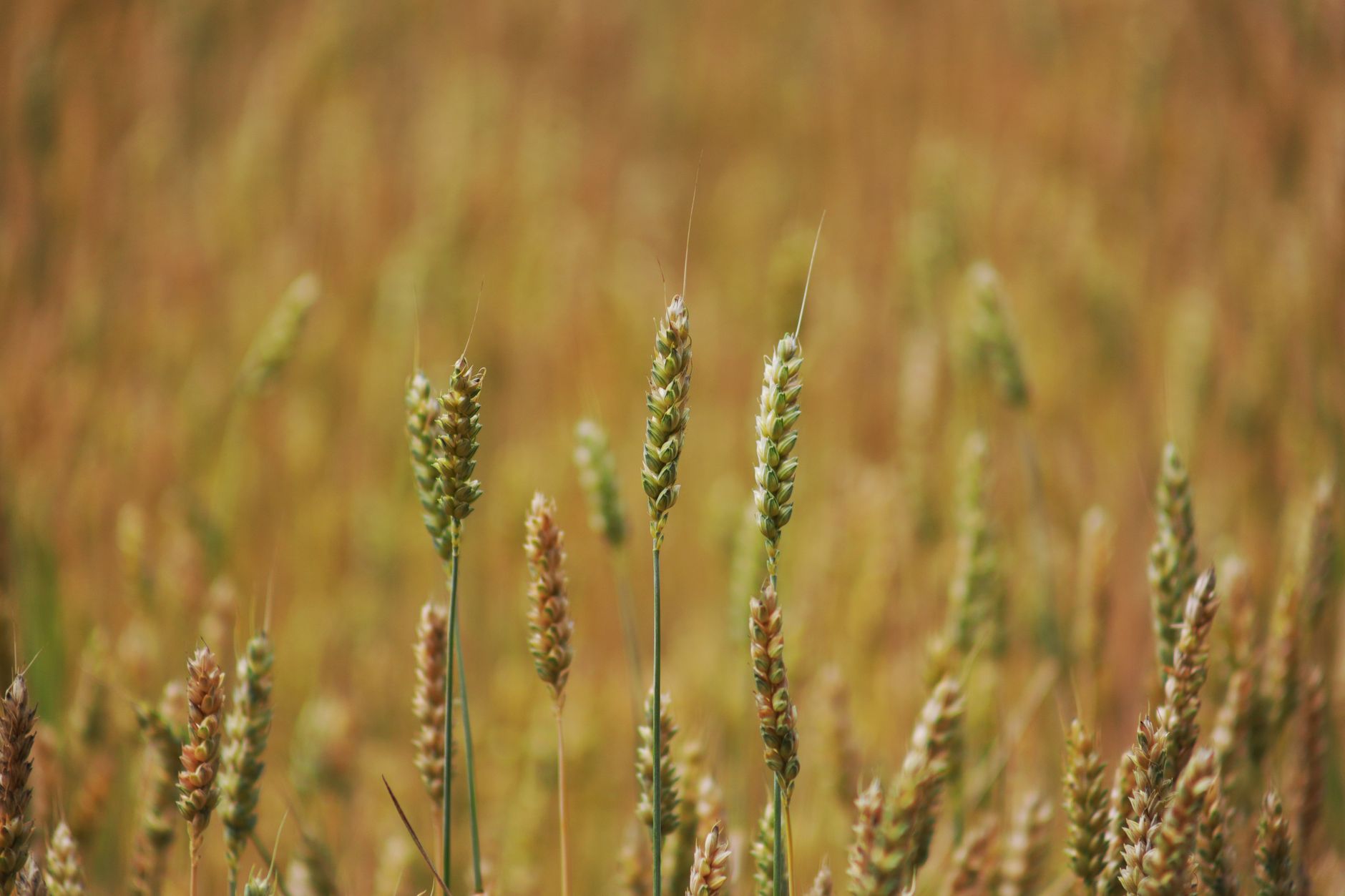
India agriculture sector growth has reached over 4% annually for the first time, marking a significant milestone for the country’s economy and food security.
Overview of India’s Agriculture Growth
The agriculture sector in India has witnessed significant growth, marking a pivotal moment for the nation’s economy. With an annual growth rate exceeding 4%, this trend represents a historic achievement that promises to bolster food security and enhance rural livelihoods.
This increase in agricultural productivity can be attributed to several key factors:
- Technological Advancements: The adoption of modern farming techniques and precision agriculture has improved crop yields and efficiency.
- Government Initiatives: Various policies aimed at supporting farmers, including subsidies and investment in infrastructure, have played a crucial role in this growth.
- Climate Resilience: Efforts to develop climate-resilient crops and sustainable practices have helped mitigate the impacts of adverse weather conditions.
- Market Access: Enhanced access to markets and fair pricing for crops have incentivized farmers to produce more and better-quality goods.
As a result, the agriculture sector growth in India not only contributes to the national GDP but also helps in reducing poverty levels in rural areas. This positive trajectory is expected to continue, with further investments and innovations paving the way for sustainable agricultural practices.
In conclusion, the growth of India’s agriculture sector is not just good news; it signifies a broader transformation in the economy and a step towards achieving long-term food security.
Impact on Farmers and Rural Economy
The growth of the India agriculture sector has significant implications for farmers and the rural economy. With the sector expanding at an impressive rate of over 4% annually, this trend brings both opportunities and challenges for those involved in farming.
Firstly, increased agricultural productivity can lead to higher incomes for farmers. As crop yields improve, farmers can sell their produce at better prices, thus enhancing their financial stability. This positive shift helps to empower rural communities, providing them with the means to invest in education, healthcare, and infrastructure.
However, the benefits are not uniformly distributed. Many small-scale farmers still struggle with access to resources and technology. It’s crucial for government policies to focus on supporting these farmers, ensuring that the growth of the India agriculture sector translates into tangible benefits for all. Initiatives aimed at improving irrigation, providing credit facilities, and enhancing market access could play a pivotal role in this regard.
Moreover, the growth in the agriculture sector can stimulate related industries, such as agro-processing and logistics, further boosting the rural economy. As the demand for agricultural products increases, so does the need for better transportation and storage solutions.
- Increased income: Higher crop yields lead to better prices for farmers.
- Empowerment: Financial stability allows for investments in community services.
- Support needed: Small-scale farmers require targeted assistance.
Ultimately, the ongoing growth presents a unique opportunity to reshape the landscape of Indian agriculture, benefiting both farmers and the broader rural economy.
Government Initiatives Supporting Growth
The Indian government has implemented various initiatives to bolster the agriculture sector growth, recognizing its vital role in the nation’s economy. These initiatives aim to enhance productivity, ensure food security, and improve the livelihoods of farmers.
- Direct Benefit Transfer (DBT): This scheme facilitates timely payments and subsidies directly to farmers, reducing delays and ensuring financial stability.
- Pradhan Mantri Kisan Samman Nidhi (PM-KISAN): Under this program, eligible farmers receive income support, aiming to alleviate poverty and promote investment in agriculture.
- Soil Health Card Scheme: By providing farmers with soil health cards, the government encourages sustainable farming practices, leading to increased productivity and improved crop quality.
- National Agriculture Market (e-NAM): This online trading platform connects farmers to markets, enhancing their access to buyers and fair prices for their produce.
- Crop Insurance Schemes: These schemes provide financial protection to farmers against crop loss due to natural calamities, ensuring their resilience in challenging times.
With these targeted initiatives, the government aims to stimulate growth in the agriculture sector, ultimately contributing to the overall economic development of the country. As a result, the focus on agricultural sustainability and innovation indicates that India agriculture sector growth may pave the way for a prosperous future for its farmers and the rural economy.
Challenges Facing the Agriculture Sector
The agriculture sector in India, despite its remarkable growth, faces several challenges that could hinder its long-term sustainability. These challenges are critical to understanding the overall landscape of India agriculture sector growth.
- Climate Change: One of the most pressing challenges is the impact of climate change, which has led to unpredictable weather patterns. Farmers are increasingly facing droughts and floods, affecting crop yields and livelihoods.
- Access to Technology: While some farmers have adopted modern farming techniques, many still rely on traditional methods. The lack of access to advanced agricultural technologies can limit productivity and efficiency.
- Market Fluctuations: Prices of agricultural products can be highly volatile, making it difficult for farmers to predict their income. This unpredictability can discourage investment in the agriculture sector.
- Infrastructure Deficiencies: Insufficient infrastructure, such as poor transportation and storage facilities, can lead to significant post-harvest losses. Improving these facilities is vital for ensuring that farmers can get their products to market efficiently.
- Policy Implementation: While the government has initiated various supportive measures, the effectiveness of policy implementation remains inconsistent across regions, leaving some farmers without the necessary support.
Addressing these challenges is essential for sustaining the momentum of India agriculture sector growth and ensuring that the benefits reach all stakeholders involved.
Future Projections for Agriculture
As India continues to experience a robust growth trajectory in its agriculture sector, projections for the future remain optimistic, highlighting the potential for further advancements. The agriculture sector growth is anticipated to not only stabilize but also expand as various factors come into play.
Key projections include:
- Increased Investment: With rising interest from both domestic and international investors, funding for innovative agricultural technologies and practices is expected to increase significantly.
- Adoption of Technology: The integration of modern technologies such as precision farming, drones, and AI-driven analytics is poised to enhance productivity and efficiency in farming operations.
- Climate Resilience: Efforts to develop climate-resilient crops and sustainable practices will play a crucial role in mitigating the impact of climate change on agricultural output.
- Market Access: Improved infrastructure, including better transportation and storage facilities, is likely to provide farmers greater access to markets, thereby increasing their income and stability.
Furthermore, the government’s commitment to supporting the agriculture sector through policy reforms and financial aid is expected to create a conducive environment for growth. Overall, the future projections for agriculture indicate a promising landscape, positioning India’s agriculture sector growth as a vital contributor to the nation’s economy and food security.
Role of Technology in Farming
The rapid growth of the India agriculture sector is significantly influenced by the integration of technology in farming practices. Innovations such as precision agriculture, drone technology, and data analytics are transforming traditional farming methods into more efficient and productive operations.
One of the most impactful technological advancements is the use of precision farming, which allows farmers to optimize their inputs, including water, fertilizers, and pesticides. By employing sensors and satellite imaging, farmers can monitor crop health and soil conditions, leading to improved yields and reduced waste.
In addition, drone technology has emerged as a powerful tool for agricultural monitoring. Drones can capture detailed aerial images, enabling farmers to assess crop conditions and identify potential issues before they escalate. This proactive approach not only enhances productivity but also contributes to sustainable farming practices.
Moreover, the rise of mobile applications has provided farmers with access to vital information regarding weather forecasts, market prices, and best practices. This democratization of knowledge empowers farmers to make informed decisions, ultimately supporting the growth of the India agriculture sector.
As technology continues to evolve, its role in farming will likely expand, paving the way for further advancements and innovations that can help tackle existing challenges while enhancing productivity and sustainability in the agriculture sector.
Sustainable Practices in Agriculture
The agriculture sector in India has witnessed significant growth, with sustainable practices emerging as a vital component of this transformation. As the nation strives to enhance productivity while preserving environmental integrity, the adoption of sustainable practices in agriculture has become increasingly crucial.
Farmers are gradually embracing techniques that not only boost yields but also ensure the long-term health of the land. Some of these practices include:
- Crop Rotation: This method helps in maintaining soil fertility and reducing pest infestations, leading to better harvests.
- Organic Farming: By reducing chemical inputs, organic farming improves soil health and increases biodiversity.
- Water Management: Efficient irrigation techniques, such as drip irrigation, conserve water and enhance crop resilience.
- Integrated Pest Management: This strategy minimizes the use of pesticides, promoting a balanced ecosystem and protecting beneficial insects.
Moreover, the incorporation of sustainable practices is not only beneficial for the environment but also plays a crucial role in the economic upliftment of farmers. As India’s agriculture sector growth continues, these practices can help ensure that this progress is both equitable and sustainable. By prioritizing sustainable agriculture, India can achieve food security while safeguarding its natural resources for future generations.
Comparative Analysis with Other Sectors
The growth of the agriculture sector in India is a significant indicator when compared to other key sectors of the economy. Over the past few years, while the industrial and services sectors have shown fluctuations, agriculture has maintained a steady annual growth rate of over 4%. This is particularly noteworthy as it marks a turning point for the India agriculture sector growth, showcasing its resilience amidst economic challenges.
When analyzing the contributions of various sectors, it becomes evident that:
- Manufacturing Sector: The manufacturing sector has seen growth but often faces issues such as labor disputes and supply chain disruptions, leading to inconsistent performance.
- Services Sector: Although it accounts for a significant portion of GDP, the services sector is heavily reliant on urban development and job creation, making it vulnerable to economic downturns.
- Agriculture Sector: In contrast, agriculture not only provides food security but also sustains millions of livelihoods, especially in rural areas, which helps stabilize the economy.
This comparative analysis highlights the vital role of the agriculture sector in India’s overall economic framework. As it continues to grow, it creates a ripple effect, positively influencing other sectors and contributing to the nation’s socio-economic stability.
The recent statistics highlighting India agriculture sector growth indicate a promising trend for the country’s economy. As investments increase and innovation spreads, the potential for further India agriculture sector growth becomes even more significant.
Photo by Saleh Almawed on Pexels