
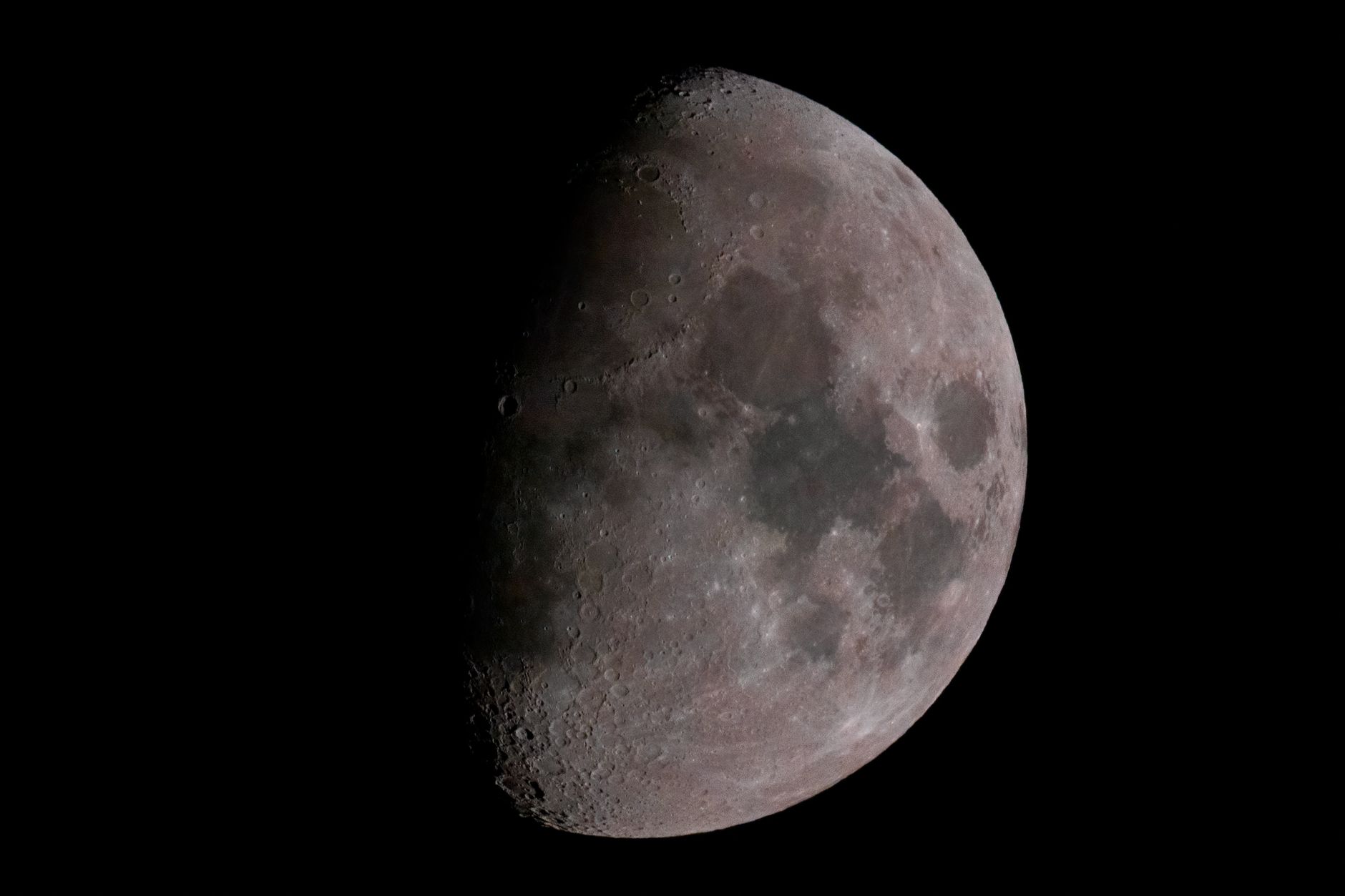
Moon phase today shows us the fascinating lunar appearance on November 14, 2026. This guide will help you understand what to expect from the Moon’s phases.
What is the moon phase today?
The moon phase today plays a significant role in various cultural and scientific contexts. Understanding the current phase can enhance your appreciation of the night sky and guide activities such as gardening, fishing, and even stargazing. As of November 14, 2026, the moon will be in a particularly fascinating phase.
On this date, stargazers can expect to see:
- Waxing Gibbous: The moon will be more than half illuminated but not yet full, creating a beautiful sight in the evening sky.
- Visibility: The moon will rise in the east and set in the west, providing ample opportunity for observation.
- Effects on tides: This phase can also influence tidal patterns, making it an important consideration for coastal activities.
Keep an eye on the moon phase today for a captivating celestial experience.
Importance of moon phases
The importance of moon phases extends beyond mere aesthetics; they play a crucial role in various aspects of life on Earth. Understanding the moon phase today can significantly influence several activities and practices.
Many cultures believe that different phases of the moon can affect human behavior, agriculture, and even fishing. For instance, planting crops during the waxing phase is thought to promote growth, while harvesting is often recommended during the waning phase.
In addition to farming, the moon’s phases are essential for tides, impacting marine life and coastal ecosystems. Fishermen often rely on the lunar cycle to determine the best times for catching fish.
Moreover, in the realm of spirituality, various traditions link moon phases to rituals and ceremonies, underscoring their significance in human culture.
Moon phase today for November 14, 2026
On November 14, 2026, the moon phase today is a stunning Waxing Gibbous. This phase occurs when the moon is more than half illuminated but not yet full, providing a beautiful sight in the night sky.
During this time, the moon appears bright and large, making it ideal for stargazing and night photography. As it approaches the full moon, the Waxing Gibbous phase allows observers to appreciate the intricate details of the lunar surface.
Here are a few key points about the moon phase today:
- Illumination: Approximately 75%
- Visibility: Best seen after sunset
- Next Phase: Full Moon on November 15, 2026
Mark your calendars to catch this brilliant phase in the evening sky!
How to observe the moon
Observing the moon can be a rewarding experience, especially when you know the moon phase today. Here are some simple tips to enhance your lunar observation:
- Choose the Right Time: The best time to observe the moon is during its different phases. The full moon, for instance, offers the brightest view.
- Find a Dark Location: Light pollution can obscure your view. Look for a spot away from city lights.
- Use Binoculars or a Telescope: While the moon is visible to the naked eye, using binoculars or a telescope can reveal more details.
- Track the Phases: Keep a lunar calendar to know what the moon phase today is and plan your observations accordingly.
- Document Your Findings: Take notes or photos to remember what you saw during each phase.
Effects of moon phases on nature
The effects of moon phases on nature are profound and varied. As we explore the moon phase today, particularly on November 14, 2026, it’s essential to recognize how these phases influence various natural phenomena.
- Tides: The gravitational pull of the moon significantly affects ocean tides, with higher tides occurring during full and new moons.
- Animal Behavior: Many species rely on moon phases for mating and feeding. For instance, certain fish are known to spawn during specific lunar phases.
- Plant Growth: Some gardeners believe that planting by the moon phases can enhance the growth of plants, with certain phases being more favorable for specific types of crops.
- Human Mood: There are claims that lunar phases can affect human emotions and behavior, often referred to as the “lunar effect.”
Understanding these connections allows us to appreciate the intricate relationship between the moon and nature.
Tips for moon photography
Capturing the beauty of the moon can be an exhilarating experience for photographers. Here are some tips to enhance your moon photography, especially when considering the moon phase today.
- Use a tripod: A stable base prevents camera shake and allows for longer exposure times, resulting in clearer images.
- Choose the right lens: A telephoto lens is ideal for zooming in on the moon, capturing its craters and details effectively.
- Time your shots: The best time for photographing the moon is during its rise or set, when it appears larger against the horizon.
- Adjust your settings: Use a low ISO and a fast shutter speed to avoid overexposure, especially during bright moon phases.
- Experiment with filters: Consider using polarizing filters to enhance contrast and reduce glare.
With these tips, you’ll be well-equipped to capture stunning images of the moon phase today and beyond.
Photo by Rino Adamo on Pexels
Where this came from
Related stories
AI bubble concerns: Economist warns India of risks · Missouri delivery driver accident: What went wrong? · Message to Voyager 1: Is This the Best Way to Connect?