
The ground operation in Gaza marks a significant escalation in the ongoing conflict, raising concerns about its implications for civilians and regional stability.
Background of the Gaza Conflict
The ongoing conflict in Gaza has deep historical roots, shaped by a series of political, social, and military events. Tensions have escalated over the decades, with the area witnessing cycles of violence and ceasefires. Central to the conflict is the struggle between Israel and Palestinian groups, particularly Hamas, which governs the Gaza Strip.
In recent years, the situation has been exacerbated by factors such as:
- The blockade of Gaza: Imposed by Israel and Egypt, it has severely restricted the movement of people and goods, leading to humanitarian crises.
- Increased militancy: Armed groups within Gaza have adopted more aggressive tactics, including rocket fire into Israeli territory.
- International involvement: Various nations and organizations have attempted to mediate peace, but efforts often fall short due to deep-seated mistrust.
The recent Israeli military’s decision to launch a rare ground operation in Gaza beyond the Yellow Line represents a significant escalation. This operation is seen as a response to ongoing threats from militant groups, highlighting the complex and volatile nature of the region’s conflicts.
Details of the Ground Operation
The recent ground operation in Gaza marks a significant escalation in the ongoing conflict. Israeli forces have moved beyond the established Yellow Line, indicating a shift in military strategy aimed at addressing persistent security concerns.
Details surrounding the ground operation reveal several key objectives:
- Neutralization of Threats: One of the primary goals is to dismantle militant infrastructure that poses risks to Israeli citizens.
- Intelligence Gathering: Ground operations provide an opportunity for Israeli forces to collect crucial intelligence on Hamas movements and capabilities.
- Minimizing Civilian Casualties: The military has claimed that efforts are being made to limit harm to non-combatants, though the effectiveness of these measures is under scrutiny.
As the situation evolves, international observers are keenly watching the implications of the ground operation in Gaza. Analysts argue that this could lead to heightened tensions in the region, potentially impacting diplomatic relations and humanitarian conditions. The long-term consequences remain uncertain, but the operation signifies a pivotal moment in the conflict.
International Reactions
The recent ground operation in Gaza has elicited a range of international reactions, reflecting the global concern over the escalating conflict. Various countries and organizations have expressed their positions, highlighting the complexity of the situation.
- The United Nations: Officials have called for an immediate ceasefire, emphasizing the need to protect civilians caught in the crossfire. They have urged both parties to engage in dialogue to resolve their differences peacefully.
- The United States: The U.S. government has reiterated its support for Israel’s right to defend itself while also advocating for restraint to minimize civilian casualties. This delicate balance reflects ongoing diplomatic efforts in the region.
- The European Union: EU leaders have voiced concerns over the humanitarian implications of the ground operation in Gaza. They have urged all parties to comply with international law and prioritize the safety of non-combatants.
- Regional Responses: Neighboring countries have condemned the military actions, calling for solidarity with the Palestinian people. Protests have erupted in various cities, further escalating tensions.
The situation remains fluid, and the international community continues to monitor developments closely.
Impact on Civilians
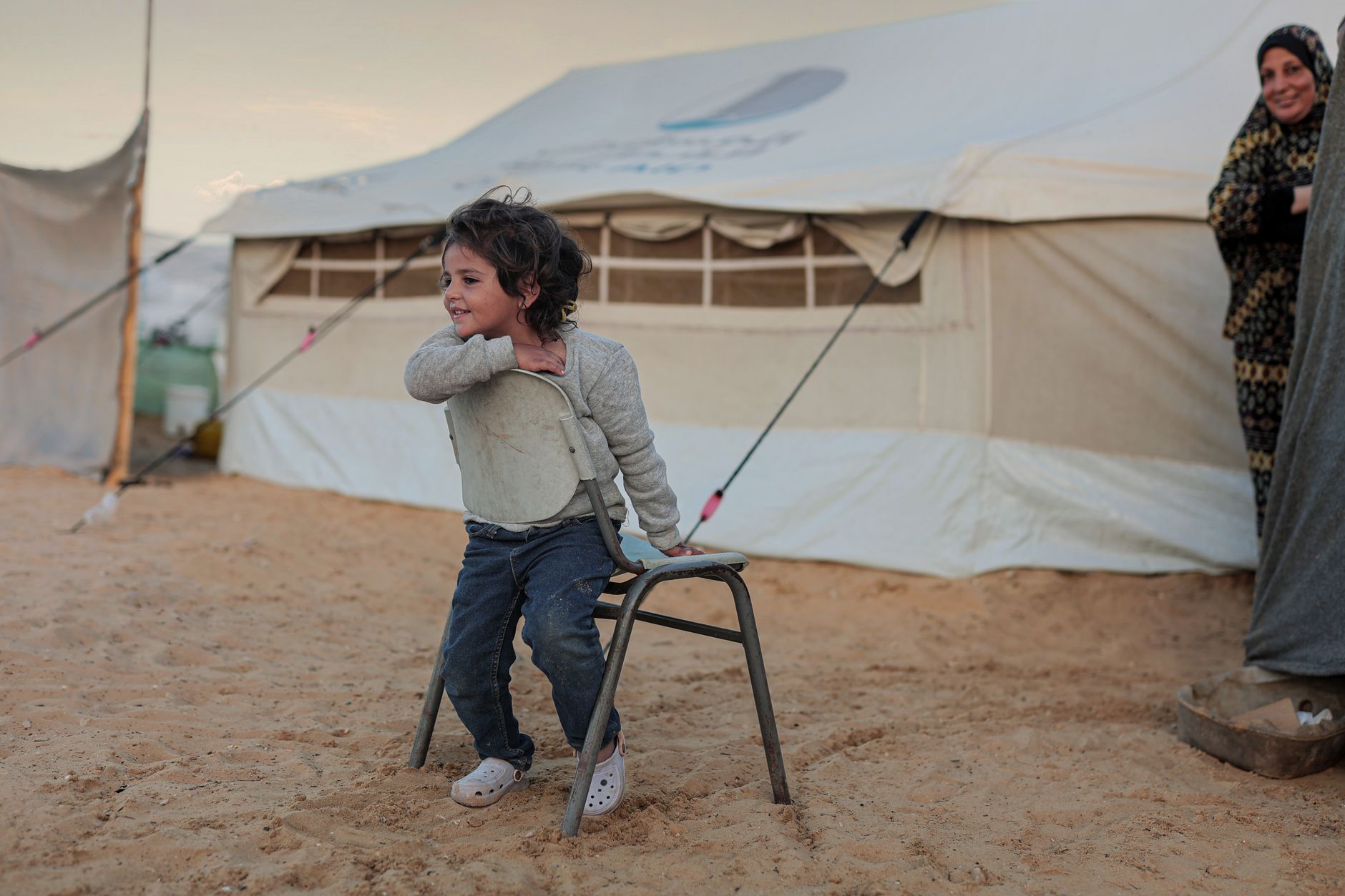
The ongoing ground operation in Gaza has raised significant concerns regarding its impact on civilians. As the conflict escalates, the humanitarian situation has deteriorated rapidly, leading to dire consequences for the local population.
Reports indicate that many civilians are facing severe challenges, including:
- Displacement: Thousands have been forced to leave their homes, seeking refuge in overcrowded shelters and makeshift camps.
- Access to Basic Needs: Essential resources such as food, water, and medical supplies are becoming increasingly scarce, exacerbating the suffering of those affected.
- Injuries and Casualties: The ground operation has resulted in numerous injuries and fatalities among non-combatants, raising international alarm over the protection of civilians.
The psychological toll on the remaining population is also significant, with many experiencing trauma and heightened anxiety due to the ongoing violence and uncertainty. As the ground operation in Gaza continues, humanitarian organizations stress the urgent need for ceasefire agreements and increased aid to address the escalating crisis.
Historical Context of Military Actions
The historical context of military actions in Gaza is crucial to understanding the current situation. Since the early 2000s, the region has witnessed a series of significant military operations, each with its own implications for the local population and the broader geopolitical landscape.
These operations have often been framed within the context of security, with Israel citing the need to combat militant groups as a justification for its actions. However, the consequences have frequently extended beyond military objectives, affecting civilians and infrastructure in profound ways.
Key events that shaped the current dynamics include:
- Operation Cast Lead in 2008-2009, which resulted in extensive damage and loss of life.
- Operation Protective Edge in 2014, noted for its high civilian casualties and international outcry.
- The ongoing blockade of Gaza, which has contributed to severe humanitarian crises.
These past military actions have set the stage for the current ground operation in Gaza, raising urgent questions about its long-term implications for peace and stability in the region.
Future Implications for Peace
The recent ground operation in Gaza raises significant concerns regarding the future of peace in the region. As military actions intensify, the prospect of a lasting resolution becomes increasingly tenuous.
Experts suggest several implications stemming from the ongoing conflict:
- Increased Tensions: The ground operation may exacerbate existing hostilities, leading to further violence and retaliation from both sides.
- Long-term Instability: Prolonged military engagement could destabilize the region, making peace negotiations more challenging.
- Humanitarian Crisis: Continued operations can worsen the humanitarian situation, prompting international outcry and complicating diplomatic efforts.
- Shift in Alliances: The operation might alter regional alliances, as countries reassess their positions based on the evolving landscape of power and influence.
Ultimately, the future implications of the ground operation in Gaza extend beyond immediate military objectives. They encompass a wider spectrum of geopolitical dynamics that could redefine the path toward peace, necessitating urgent dialogue and cooperation among the international community.
Expert Opinions on the Situation
As the ground operation in Gaza unfolds, experts are weighing in on its potential implications for the region. Many analysts believe that this escalation represents a significant shift in military strategy for Israel.
- Dr. Rachel Cohen, a senior analyst at the Middle East Institute, stated, “This ground operation signifies a departure from previous tactics and could alter the balance of power in the region.”
- Professor Amir Ziv from Tel Aviv University emphasized the humanitarian consequences, noting, “The ongoing military actions will likely exacerbate the already dire conditions for civilians in Gaza.”
- Dr. Fatima Jaber, an expert in international relations, warned that “The operation could provoke a wider regional conflict, drawing in neighboring countries and complicating an already volatile situation.”
Additionally, many experts agree that the ground operation in Gaza might hinder diplomatic efforts aimed at achieving a sustainable peace. The ramifications of this military engagement could echo for years, impacting not only Israeli and Palestinian relations but also the broader geopolitical landscape.
Photo by Hosny salah on Pexels