
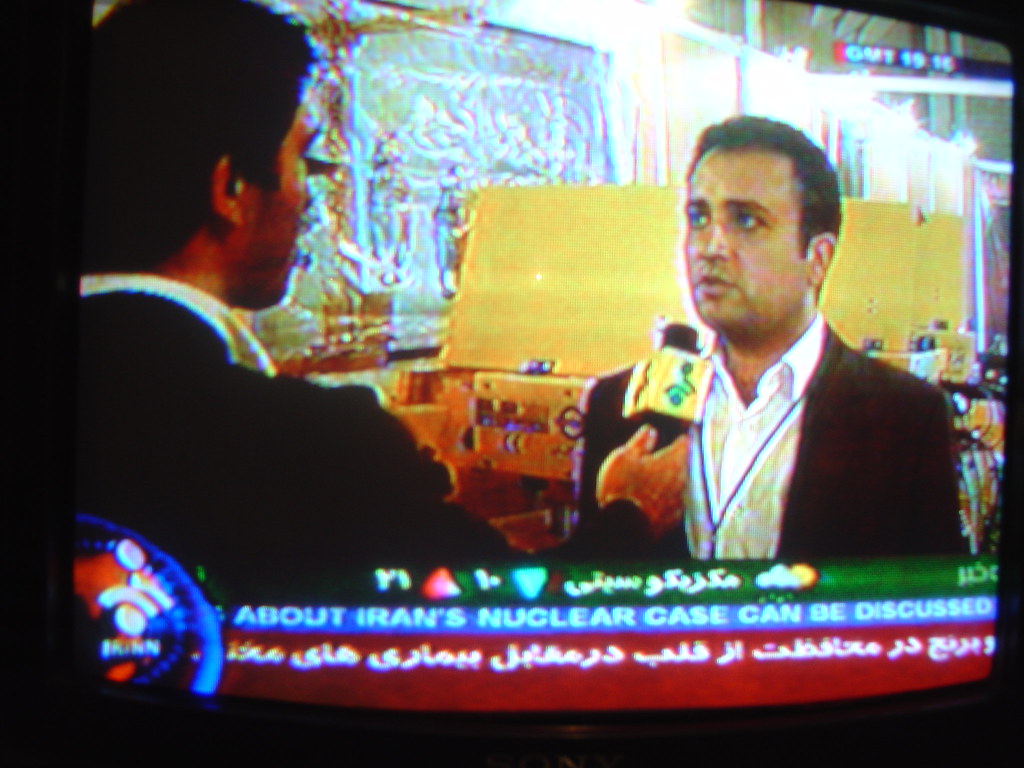
Iran nuclear policy is under scrutiny as the nation considers reversing its civil-only stance. This development could have significant implications for international relations and regional stability.
Overview of Iran’s Nuclear Policy
Iran’s nuclear policy has been a subject of intense scrutiny and debate on the international stage. The country has consistently maintained that its nuclear program is aimed solely at peaceful purposes, primarily focused on energy production and medical advancements. However, concerns persist about the potential for the development of nuclear weapons capabilities.
In recent years, Iran has made various commitments regarding its nuclear activities, which have included:
- Adherence to the Joint Comprehensive Plan of Action (JCPOA): Iran agreed to limit its nuclear activities in exchange for the lifting of economic sanctions.
- Increased transparency: Iran has allowed international inspections to ensure compliance with its civil-only program.
- Expansion of nuclear infrastructure: Despite assurances, Iran has been enhancing its nuclear facilities, raising alarms regarding its intentions.
The potential reversal of its stated policy towards a civil-only nuclear program has led to fears that Iran could pursue a path toward weaponization. The implications of such a shift are profound, affecting not only regional stability but also international relations. As the global community watches closely, the question remains: Is Iran’s nuclear policy the wrong move for peace?
Historical Context of Iran’s Nuclear Program
The historical context of Iran’s nuclear program is shaped by a complex interplay of regional tensions, international diplomacy, and domestic ambitions. Since the 1950s, Iran has pursued nuclear technology, initially with the support of Western nations. However, the 1979 Islamic Revolution marked a significant turning point, leading to a shift in Iran’s relations with the West and an increased suspicion regarding its nuclear intentions.
In the early 2000s, concerns about Iran’s nuclear ambitions intensified, resulting in a series of negotiations and sanctions aimed at curbing its program. The Joint Comprehensive Plan of Action (JCPOA), reached in 2015, was seen as a landmark agreement, limiting Iran’s nuclear activities in exchange for lifting economic sanctions. Despite this progress, the US withdrawal from the agreement in 2018 reignited tensions and raised questions about Iran’s nuclear policy.
- 2002: Iran’s nuclear program comes under scrutiny.
- 2006: UN sanctions imposed due to non-compliance.
- 2015: JCPOA signed, easing economic sanctions.
- 2018: US exits JCPOA, leading to renewed sanctions.
As Iran continues to assert its right to a civil nuclear program, the question remains whether its current policy aligns with global efforts for peace and stability in the region.
Potential Consequences of Policy Change
The potential consequences of a shift in Iran’s nuclear policy could reverberate far beyond the nation’s borders, raising concerns among international observers and regional powers alike. A pivot from a civil-only nuclear program to a more militarized approach could alter the geopolitical landscape in the Middle East dramatically.
Several key implications may arise from such a change:
- Increased Tensions: A departure from its current nuclear stance could escalate tensions between Iran and its neighboring countries, particularly Israel and Saudi Arabia, both of whom view a nuclear-capable Iran as a direct threat to their security.
- Global Diplomatic Ramifications: The international community, especially the P5+1 nations, may respond with renewed sanctions or diplomatic isolation, complicating Iran’s economic recovery and international relations.
- Arms Race Concerns: A shift in Iran’s nuclear policy could trigger a regional arms race, as other countries may feel compelled to develop their own nuclear capabilities in response, further destabilizing the region.
- Impact on Non-Proliferation Efforts: A change in policy could undermine global non-proliferation efforts, making it harder to achieve disarmament goals and fostering an environment where nuclear proliferation becomes more acceptable.
Ultimately, the implications of Iran’s nuclear policy change could have lasting effects on global peace and security.
International Reactions to Iran’s Nuclear Ambitions
The international community has expressed a range of reactions to Iran’s nuclear ambitions, particularly in light of its nuclear policy that emphasizes a civil-only program. Many countries, particularly in the West, remain skeptical of Iran’s intentions and fear that a civil program could serve as a cover for military development.
Key players in the region, including Israel and Saudi Arabia, have voiced strong opposition to any nuclear program in Iran, arguing it destabilizes the already volatile Middle East. Israel, in particular, has threatened military action if it perceives an imminent threat from Iran’s nuclear capabilities.
On the other hand, nations like Russia and China have expressed support for Iran’s right to develop nuclear energy, emphasizing the importance of diplomatic engagement over sanctions and military threats. They argue that Iran’s nuclear policy should be respected as a sovereign right, provided it remains peaceful.
As Iran navigates these complex international waters, the ramifications of its nuclear policy will undoubtedly continue to shape global diplomatic relations and discussions surrounding arms control and regional security.
- Increased tensions in the Middle East
- Potential for new diplomatic partnerships
- Concerns over nuclear proliferation
Expert Opinions on Iran’s Nuclear Future
Experts are divided on the implications of Iran’s current nuclear policy and its potential shift towards a more militarized program. Some analysts argue that continuing with a civilian-only nuclear agenda fosters regional stability and paves the way for diplomatic dialogues. In contrast, others warn that any deviation from this path could escalate tensions in an already volatile region.
Dr. Amina Khoury, a senior researcher at the Middle East Institute, emphasized the importance of maintaining transparency. She stated, “Iran’s nuclear policy should aim for openness to build trust with neighboring countries and the international community.” This highlights the need for Iran to adhere to global nuclear non-proliferation norms to secure its long-term interests.
On the other hand, Professor Amir Zareh from Tehran University cautioned against the assumption that a civilian program guarantees peace. He noted, “A shift towards a more aggressive nuclear posture could provoke an arms race in the region, undermining security for all parties involved.” The expert consensus suggests that Iran’s nuclear policy decisions will significantly influence not only its future but also the broader geopolitical landscape.
As the discourse continues, the international community remains watchful, aware that Iran’s choices will have far-reaching consequences.
Iran’s Civil Nuclear Program Explained
Iran’s civil nuclear program has been a focal point of international scrutiny and debate. Established in the 1950s, the program initially aimed at harnessing nuclear energy for peaceful purposes, such as electricity generation and medical applications. However, as Iran’s capabilities advanced, concerns arose regarding the potential dual-use nature of its nuclear technology.
The Iranian government asserts that its nuclear activities are strictly for civil use, emphasizing the need for energy security and economic development. Key components of Iran’s civil nuclear program include:
- Development of nuclear power plants to generate electricity.
- Research and development in nuclear science for medical and industrial applications.
- Collaboration with international bodies for the safe use of nuclear technology.
Despite these claims, critics argue that Iran’s advancements could easily lead to the capability of developing nuclear weapons. The ongoing debate over Iran’s nuclear policy raises questions about trust and transparency in its civil nuclear program. As negotiations continue, the balance between peaceful nuclear development and military potential remains a contentious issue, with implications for regional and global security. Observers worry that any shift in Iran’s stated policy could exacerbate tensions and hinder efforts toward lasting peace.
The Role of Global Powers in Iran’s Nuclear Decisions
The dynamics of Iran’s nuclear policy are intricately linked to the actions and reactions of global powers. The involvement of these nations can significantly influence Tehran’s decision-making process regarding its nuclear ambitions.
Key global players, such as the United States, Russia, and China, have distinct interests that shape their stance on Iran’s nuclear program. Each country approaches the situation with its own strategic objectives:
- The United States: Historically, the U.S. has adopted a hardline approach, emphasizing sanctions and diplomatic isolation to deter Iran from pursuing a nuclear weapons capability.
- Russia: With a focus on maintaining influence in the Middle East, Russia has supported Iran’s right to a civil nuclear program while also participating in international negotiations.
- China: China has shown a more reserved approach, balancing its economic interests with the need for stability in the region, often advocating for dialogue over confrontation.
As Iran continues to navigate its nuclear policy, the role of these global powers remains critical. Their support or opposition could either reinforce Tehran’s current stance or encourage a shift towards a more peaceful resolution, raising questions about the long-term implications for international security.
The debate surrounding Iran nuclear policy has intensified as various nations weigh the potential consequences of diplomatic engagement versus sanctions. Critics argue that the current Iran nuclear policy may undermine long-term stability in the region.
By Ensie & Matthias via Openverse