

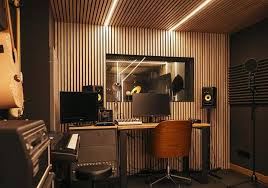
Acoustic wall panels have become an essential feature in modern interiors, providing both functional and aesthetic benefits. They help control sound, reduce echo, and improve the overall audio quality of a space. Whether you are designing a home theater, a music studio, or a professional office, selecting the right acoustic panels can significantly enhance comfort and productivity. This guide acoustic wall panels help you understand the key factors to consider when choosing acoustic wall panels for various settings.
Understand the Purpose of Acoustic Panels
Before choosing acoustic panels, it is important to understand their primary function. Acoustic panels are designed to absorb sound waves, reduce reverberation, and minimize unwanted noise. In homes, they can improve the audio quality of media rooms and reduce noise between adjacent rooms. In studios, panels are critical for accurate sound recording and mixing. In offices, they contribute to a quieter environment, enhancing focus and reducing distractions. Identifying your specific needs will help you select the most suitable type of panels.
Types of Acoustic Panels
Acoustic panels come in a variety of materials and designs, each offering different levels of sound absorption. Foam panels are lightweight, affordable, and easy to install, making them ideal for home studios or small office spaces. Fabric-wrapped panels provide a more refined aesthetic and are highly effective in absorbing mid to high-frequency sounds. Wooden panels, often combined with acoustic backing, offer a stylish look while maintaining good sound control. For high-performance studios or professional offices, specialized panels with higher noise reduction coefficients may be required to achieve optimal sound management.
Consider Panel Placement and Coverage
The placement of acoustic panels is as important as the panels themselves. Key areas include walls opposite sound sources, corners where low-frequency sounds tend to build up, and ceilings to control reflections. The number of panels and the percentage of wall coverage will depend on the size of the room, the desired level of sound absorption, and the acoustic characteristics of the space. Proper placement ensures that the panels are effective in reducing echo and improving audio clarity.
Evaluate Acoustic Performance
Acoustic performance is typically measured using the Noise Reduction Coefficient (NRC), which ranges from 0 to 1. A higher NRC indicates better sound absorption. For home theaters or studios, panels with an NRC of 0.7 or higher are recommended to ensure clear sound. In offices or meeting rooms, panels with an NRC of 0.5 to 0.7 are often sufficient to reduce background noise and create a comfortable environment. Understanding these ratings helps in selecting panels that meet your specific acoustic needs.
Aesthetic Considerations
While functionality is crucial, aesthetics should not be overlooked. Acoustic panels are available in a variety of colors, patterns, and textures, allowing you to integrate them seamlessly into your interior design. Fabric panels can match the room’s color scheme, while wooden panels can add warmth and sophistication. Choosing panels that complement the decor ensures that your space remains visually appealing while achieving acoustic improvements.
Installation and Maintenance
Installation methods vary depending on the panel type. Foam and fabric panels are often mounted using adhesive or brackets, while heavier wooden panels may require screws. Proper installation is essential to ensure the panels are secure and effective. Maintenance is generally simple: fabric and foam panels can be dusted or vacuumed, and wooden panels can be cleaned with a damp cloth. Regular care maintains their appearance and performance over time.
Conclusion
Acoustic wall panels are a practical and stylish solution for enhancing sound quality in homes, studios, and offices. By understanding their purpose, choosing the right materials, considering placement, and evaluating acoustic performance, you can create spaces that are both functional and visually appealing. With careful selection and proper installation, acoustic panels can significantly improve comfort, productivity, and audio experiences in any environment.