
Greenhouse gardening has experienced remarkable growth across the United States, with residential greenhouse installations increasing by 35% over the past five years. This surge reflects a growing interest in sustainable living, fresh food production, and year-round gardening capabilities. Whether you’re a seasoned gardener or just starting your horticultural journey, understanding greenhouses can transform how you approach plant cultivation.
A greenhouse represents more than just a garden structure. It’s a controlled environment that extends growing seasons, protects plants from harsh weather, and creates optimal conditions for various crops. Modern greenhouse technology has evolved significantly, making these structures more accessible and efficient than ever before.
The benefits of greenhouse ownership extend far beyond simple plant protection. From reducing grocery bills to improving mental health through gardening therapy, greenhouses offer multiple advantages that make them increasingly attractive to homeowners, small-scale farmers, and gardening enthusiasts.
What Exactly Is a Greenhouse?
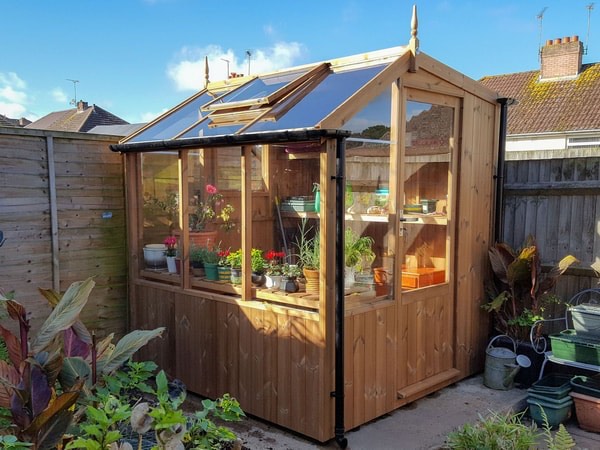
A greenhouse is an enclosed structure designed to create and maintain optimal growing conditions for plants. These structures typically feature transparent walls and roofs made from glass, polycarbonate, or specialized plastic materials that allow sunlight to enter while trapping heat inside.
The basic principle behind greenhouse operation involves the greenhouse effect. Sunlight passes through the transparent covering, warming the air and surfaces inside. The structure then traps this warm air, creating a microclimate that can be several degrees warmer than the outside environment.
Modern greenhouses come in various sizes, from small hobby structures measuring 6×8 feet to commercial operations spanning thousands of square feet. Popular styles include lean-to greenhouses that attach to existing buildings, freestanding structures, and portable options that can be moved as needed.
Construction materials have evolved considerably. Traditional glass greenhouses remain popular for their durability and aesthetic appeal, while polycarbonate panels offer superior insulation and impact resistance. Advanced ventilation systems, heating units, and automated watering systems can transform basic structures into sophisticated growing environments.
Why Are Greenhouses Becoming So Popular?
Recent statistics reveal fascinating trends in greenhouse adoption. The National Gardening Association reports that 35% of households now participate in food gardening, up from 26% a decade ago. Among these gardening households, greenhouse usage has increased by 42% since 2020.
Climate change concerns drive much of this growth. Unpredictable weather patterns, including unexpected frosts, severe storms, and prolonged droughts, make protected growing environments increasingly valuable. Greenhouses provide stability in an unstable climate.
Economic factors also contribute to rising greenhouse popularity. The average American household spends $4,643 annually on food, with fresh produce representing a significant portion. Greenhouse owners report reducing their grocery bills by 25-40% through homegrown vegetables and herbs.
Social media influence cannot be overlooked. Instagram and TikTok feature countless greenhouse gardening accounts, inspiring others to start their own growing projects. The hashtag #greenhousegardening has accumulated over 2.3 million posts across major platforms.
What Are the Key Benefits of Greenhouse Ownership?
Extended growing seasons represent the primary advantage of greenhouse gardening. While outdoor gardens in northern climates may produce for only 4-5 months annually, greenhouses can support year-round cultivation. This extension allows multiple harvests of quick-growing crops like lettuce, spinach, and herbs.
Temperature control capabilities enable cultivation of plants that wouldn’t normally survive local climate conditions. Gardeners in cold regions can successfully grow tomatoes, peppers, and even tropical plants throughout winter months. Conversely, those in extremely hot climates can provide cooling and shade for temperature-sensitive crops.
Pest and disease protection significantly reduces crop losses. Physical barriers prevent many insects from reaching plants, while controlled environments limit fungal and bacterial diseases often caused by excessive moisture or temperature fluctuations. This protection often eliminates the need for chemical pesticides.
Water conservation becomes more manageable in greenhouse environments. Controlled irrigation systems reduce water waste, while humidity retention means plants require less frequent watering. Many greenhouse owners report 30-50% reductions in water usage compared to outdoor gardening.
Crop quality improvements are consistently reported by greenhouse gardeners. Protected environments produce cleaner vegetables free from soil contamination, weather damage, and pest-related blemishes. Controlled growing conditions often result in more uniform, marketable produce.
How Do Greenhouses Impact Health and Wellness?
Mental health benefits of greenhouse gardening have gained significant attention from researchers. Studies indicate that gardening activities reduce stress hormones by up to 68% and increase serotonin levels, contributing to improved mood and reduced anxiety.
Physical health improvements result from regular greenhouse maintenance activities. Moderate physical activity involved in planting, watering, and harvesting provides exercise benefits similar to walking or light jogging. The consistent year-round activity helps maintain mobility and strength.
Nutritional advantages come from access to fresh, pesticide-free produce throughout the year. Greenhouse-grown vegetables typically contain higher vitamin and mineral concentrations than store-bought alternatives, which may lose nutrients during transportation and storage.
Air quality improvements occur within well-maintained greenhouse environments. Plants naturally filter air pollutants and increase oxygen levels, creating healthier breathing environments for those spending time in these spaces.
What Types of Plants Thrive in Greenhouse Environments?
Leafy greens perform exceptionally well in greenhouse conditions. Lettuce, spinach, kale, and arugula can be harvested continuously throughout winter months. These crops appreciate the consistent temperatures and protection from harsh weather conditions.
Herbs represent another excellent greenhouse crop category. Basil, cilantro, parsley, and oregano thrive in controlled environments, providing fresh seasonings year-round. Many herbs actually prefer the slightly warmer conditions that greenhouses provide.
Tomatoes rank among the most popular greenhouse vegetables. Varieties specifically bred for greenhouse cultivation produce impressive yields in controlled environments. Cherry tomatoes, in particular, can produce fruit continuously for 8-10 months with proper care.
Flowering plants and ornamentals benefit from greenhouse protection. Orchids, African violets, and other houseplants appreciate the stable humidity and temperature conditions. Starting flower seedlings in greenhouses gives them stronger foundations for outdoor transplanting.
How Much Do Greenhouses Cost and What’s the Return on Investment?
Initial investment costs vary significantly based on size and features. Basic hobby greenhouses start around $500-1,500, while professional-grade structures can cost $5,000-15,000 or more. However, the long-term financial benefits often justify these upfront expenses.
Energy costs represent ongoing expenses that vary by climate and heating requirements. Well-insulated greenhouses in moderate climates may require minimal additional heating, while northern regions might see monthly heating costs of $50-200 during winter months.
Return on investment calculations show promising results for dedicated greenhouse gardeners. Families growing their own vegetables report saving $1,200-2,400 annually on grocery expenses. Many greenhouse owners achieve full cost recovery within 2-4 years of installation.
Property value increases often accompany well-maintained greenhouse installations. Real estate professionals report that attractive greenhouse structures can add 3-5% to home values, particularly in areas where gardening is popular.
Making Your Greenhouse Dreams Reality
Greenhouse ownership offers compelling benefits for anyone interested in gardening, sustainable living, or simply enjoying fresh produce year-round. The combination of extended growing seasons, improved crop quality, health benefits, and potential cost savings makes greenhouses increasingly attractive investments.
The growing popularity of greenhouse gardening reflects broader trends toward self-sufficiency and environmental consciousness. As climate challenges continue and food costs rise, controlled growing environments become even more valuable.
Start exploring greenhouse options by visiting local garden centers, researching online resources, and connecting with greenhouse gardening communities in your area. Many successful greenhouse gardeners began with small structures and expanded their operations over time as their knowledge and confidence grew.