
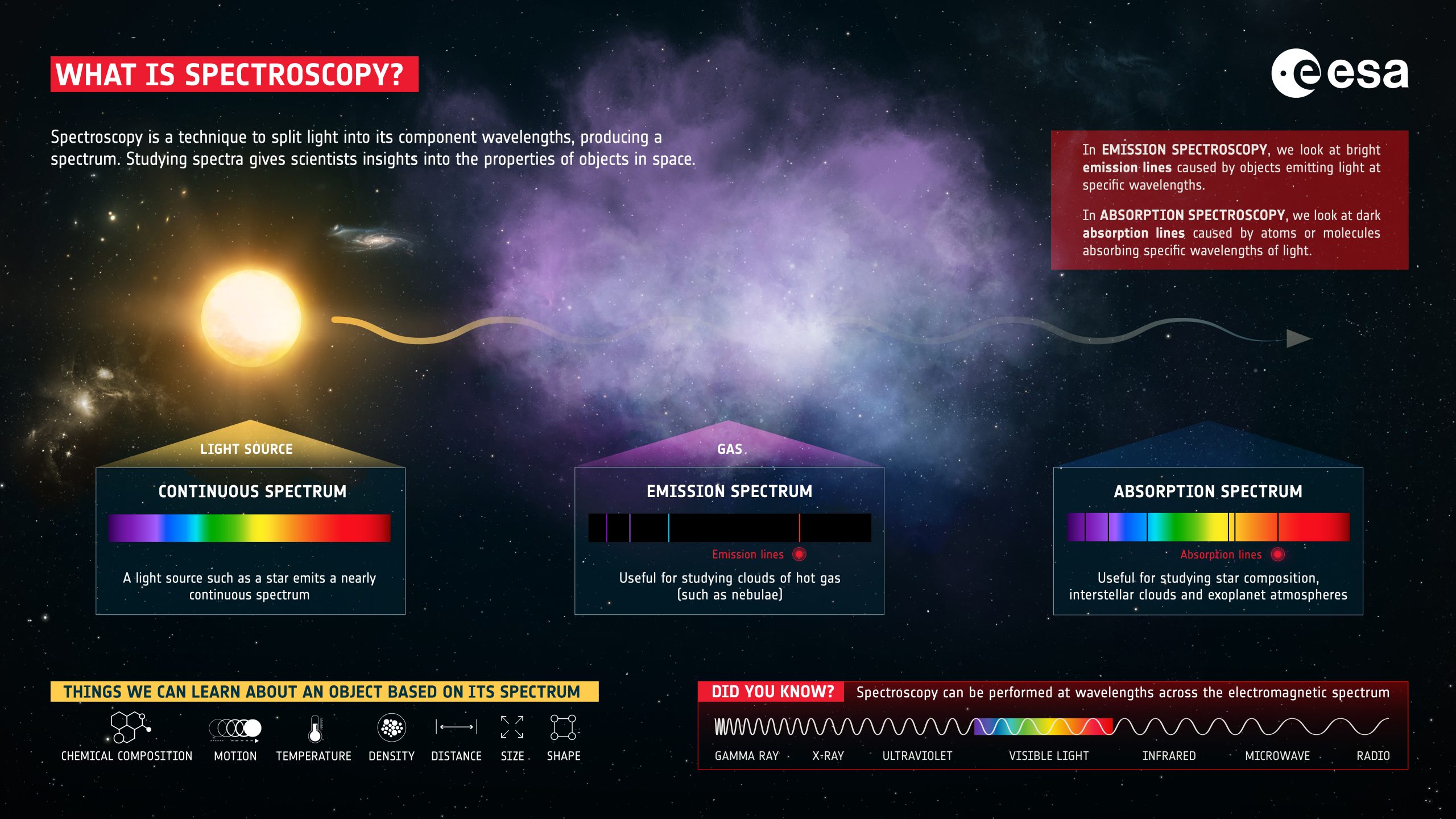
Radio emissions exoplanet have been detected by astronomers, marking a significant milestone in the study of distant celestial bodies. This groundbreaking discovery sheds light on the characteristics of exoplanets beyond our solar system.
What are radio emissions?
Radio emissions are a type of electromagnetic radiation that can be detected from various astronomical sources, including planets outside our solar system, known as exoplanets. These emissions are produced by charged particles interacting with magnetic fields, providing valuable insights into the atmospheric conditions and magnetic environments of these distant worlds.
When studying radio emissions from exoplanets, scientists can gather crucial information about:
- Atmospheric composition
- Magnetic field strength
- Potential for habitability
- Interaction with stellar winds
The recent discovery of radio emissions from an exoplanet has opened new avenues for understanding these distant planets, showcasing the importance of this phenomenon in astrophysics.
Significance of exoplanet discoveries
The discovery of radio emissions from an exoplanet represents a significant advancement in our understanding of these distant worlds. Such findings can offer crucial insights into the atmospheric conditions and magnetic environments of exoplanets.
Scientists are particularly interested in the implications of these emissions because they can:
- Enhance knowledge: Provide data on the planet’s composition and potential habitability.
- Guide future research: Help in identifying other exoplanets that may emit similar signals.
- Support theories: Validate existing models regarding atmospheric dynamics and space weather interactions.
As researchers continue to explore radio emissions from exoplanets, the potential for groundbreaking discoveries in planetary science and astrobiology grows exponentially.
How astronomers detected the signals
A recent breakthrough in the field of astronomy has enabled scientists to detect radio emissions from an exoplanet for the first time. This remarkable achievement involved a combination of advanced technology and innovative techniques. Astronomers utilized the Very Large Array (VLA), a network of radio antennas that can capture faint signals from distant celestial bodies.
During their observations, they focused on a specific exoplanet located within the habitable zone of its star, which increases the likelihood of atmospheric conditions that could support life. The team analyzed the data, identifying unique patterns in the radio emissions that corresponded with the planet’s rotation and magnetic field interactions.
This discovery not only sheds light on the characteristics of the exoplanet but also opens new avenues for understanding the nature of radio emissions from exoplanets across the galaxy.
Implications for future research
The recent discovery of radio emissions from an exoplanet opens new avenues for research in the field of astronomy. Understanding these emissions can provide insights into the atmospheric conditions and magnetic fields of distant worlds. Researchers believe that analyzing these signals will enhance our knowledge of exoplanetary environments and their potential for hosting life.
Moreover, the detection of radio emissions exoplanet could lead to advancements in the methods used to study other celestial bodies. Future missions may incorporate advanced technology to capture and analyze these signals more effectively. This could result in a more comprehensive understanding of planetary systems beyond our own, contributing to the ongoing search for habitable worlds.
In conclusion, the implications of this discovery extend far beyond the initial findings, promising exciting developments in the exploration of exoplanets.
The search for life beyond Earth
The quest to uncover signs of life beyond Earth has intensified with the recent discovery of radio emissions from an exoplanet. This breakthrough not only deepens our understanding of distant worlds but also raises intriguing possibilities about the existence of extraterrestrial life.
As scientists analyze these radio emissions, they are exploring various factors that could indicate habitability. Key aspects under consideration include:
- The planet’s atmosphere and its potential to support life.
- The presence of water and organic compounds.
- Magnetic fields that may protect against harmful radiation.
Such findings mark a significant milestone in the ongoing search for life beyond Earth, providing a new avenue for research and exploration. The implications of detecting radio emissions exoplanet could reshape our understanding of the universe and our place within it.
The recent findings on the radio emissions exoplanet have opened new avenues for understanding planetary atmospheres. Scientists are now eager to investigate the implications of these radio emissions exoplanet signals on the potential habitability of such worlds.
By European Space Agency via Openverse
Read the original
Early signs of heart disease: What are the worst symptoms? · Samajwadi Party tensions: Clear Insights on Seat-Sharing · Asian Games semi-final: India advances despite rain delay