NASA ISS successors are on the horizon as the agency seeks private partnerships by December 8. This initiative aims to maintain a continuous human presence in low Earth orbit.
Overview of NASA’s plans
NASA is actively exploring options for successors to the International Space Station (ISS) as it prepares for the next phase of human space exploration. With the ISS nearing the end of its operational life, the agency has opened the door for private companies to develop new platforms that could serve as the next generation of space habitats. The emphasis on private involvement aims to stimulate innovation and reduce costs associated with space missions.
As part of this initiative, NASA has set a deadline of December 8 for proposals from interested parties. The agency is looking for concepts that can support a variety of activities, including scientific research, technology development, and commercial endeavors. Some key areas of focus for NASA’s ISS successors include:
- Enhanced research capabilities in microgravity
- Modular designs for scalability and adaptability
- Cost-effective operations to allow broader access to space
NASA’s vision for its ISS successors not only encompasses traditional scientific goals but also aims to foster a sustainable economy in low Earth orbit. By leveraging partnerships with private industry, NASA hopes to create a thriving ecosystem that supports ongoing missions and exploration beyond our planet.
Importance of private sector involvement
The future of space exploration heavily relies on the involvement of the private sector, especially in the context of NASA ISS successors. As the International Space Station (ISS) nears the end of its operational life, private companies are poised to play a crucial role in maintaining a continuous human presence in low Earth orbit.
There are several key reasons why private sector participation is vital:
- Innovation: Private companies often bring fresh ideas and cutting-edge technology, driving advancements that can enhance mission capabilities.
- Cost Efficiency: By leveraging competitive markets, NASA can mitigate costs associated with space operations, making funding available for more ambitious projects.
- Rapid Development: The agile nature of private firms allows for faster development and deployment of space systems, which is essential for meeting tight deadlines.
- Broader Partnerships: Collaborations between NASA and private companies can foster a diverse ecosystem of stakeholders, promoting shared knowledge and resources.
As NASA seeks to transition to alternatives that can succeed the ISS, fostering a robust relationship with the private sector will be instrumental in shaping the future of human spaceflight.
Timeline for ISS successors
The timeline for NASA’s ISS successors is critical as the agency aims to transition from the International Space Station to new platforms. NASA has set a deadline for December 8 to receive proposals from private companies interested in developing successors to the ISS. This push highlights the importance of collaboration with the private sector in maintaining a continuous human presence in low Earth orbit.
Following the proposal deadline, NASA plans to evaluate submissions and select partners to support the development of these new space stations. The agency envisions that by the mid-2020s, these successors will be operational, allowing for scientific research and international collaboration to continue seamlessly.
Key milestones in the timeline include:
- Proposal Evaluation: Late December 2023
- Partnership Announcements: Early 2024
- Development Phase: 2024-2025
- Initial Launches: 2026
These successors are expected to not only support ongoing research but also pave the way for future missions beyond low Earth orbit, ensuring NASA’s leadership in space exploration continues.
Potential candidates for partnerships
As NASA moves towards identifying successors to the International Space Station (ISS), several potential candidates for partnerships have emerged, showcasing innovative approaches to space exploration. These partners may play a crucial role in supporting NASA’s mission objectives and ensuring continuity in low Earth orbit operations.
- SpaceX: With its proven Falcon 9 and Crew Dragon spacecraft, SpaceX has demonstrated reliability in transporting astronauts to and from the ISS, making it a strong contender for future missions.
- Blue Origin: Known for its New Shepard suborbital vehicle, Blue Origin is expanding its capabilities with the development of the New Glenn rocket, positioning itself as a potential partner for ISS successors.
- Northrop Grumman: With its Cygnus spacecraft already servicing the ISS, Northrop Grumman’s experience in cargo delivery makes it a valuable candidate for future NASA ISS successors.
- Lockheed Martin: Their work on the Orion spacecraft and various lunar missions highlights their commitment to deep space exploration and potential collaboration in developing new platforms for low Earth orbit.
These partnerships could accelerate the advancement of space technology, further benefiting scientific research and commercial activities in orbit.
Impact on future space missions
The transition from the International Space Station (ISS) to its successors is poised to significantly impact future space missions. As NASA seeks private ISS successors by December 8, the agency aims to foster an environment where commercial spaceflight can thrive, ultimately expanding human presence in low Earth orbit.
The collaboration between NASA and private companies can lead to innovative solutions for various challenges, including:
- Cost Efficiency: By leveraging private sector capabilities, space missions can be more economical, allowing for more frequent launches and missions.
- Technological Advancements: Partnerships can accelerate the development of new technologies, enhancing mission capabilities and ensuring safety.
- Diverse Mission Profiles: With multiple companies involved, a variety of mission types can be undertaken, from scientific research to space tourism.
The impact of these developments extends beyond immediate missions. The establishment of a robust commercial space ecosystem is crucial for humanity’s long-term exploration goals, including missions to the Moon and Mars. As NASA’s ISS successors take shape, these partnerships are expected to pave the way for a new era of exploration, marking a significant milestone in the history of human spaceflight.
Conclusion and next steps
In conclusion, the search for NASA ISS successors is not just a crucial milestone for space exploration but also a significant opportunity for innovation and collaboration with the private sector. As the agency moves forward, it is essential to evaluate the benefits and challenges associated with each potential successor. The involvement of private companies can lead to rapid advancements in technology and efficiency, which are vital for long-term sustainability in space missions.
Next steps involve a thorough assessment of the proposed partnerships, ensuring that they align with NASA’s goals and the needs of future missions. The agency has set a deadline of December 8 for proposals, reflecting a sense of urgency in transitioning from the International Space Station to new platforms that can support research, commercial activities, and international collaboration.
As the timeline progresses, NASA will also focus on fostering a competitive environment among private companies, encouraging innovation and cost-effective solutions. The overall impact of these NASA ISS successors will resonate across multiple sectors, paving the way for groundbreaking discoveries and advancements in human spaceflight. Stakeholders must remain engaged and vigilant as these partnerships develop, ensuring the future of space exploration is bright and promising.
As the space exploration community looks to the future, several promising candidates have emerged as NASA ISS successors. These NASA ISS successors aim to enhance scientific research and international collaboration in low Earth orbit.
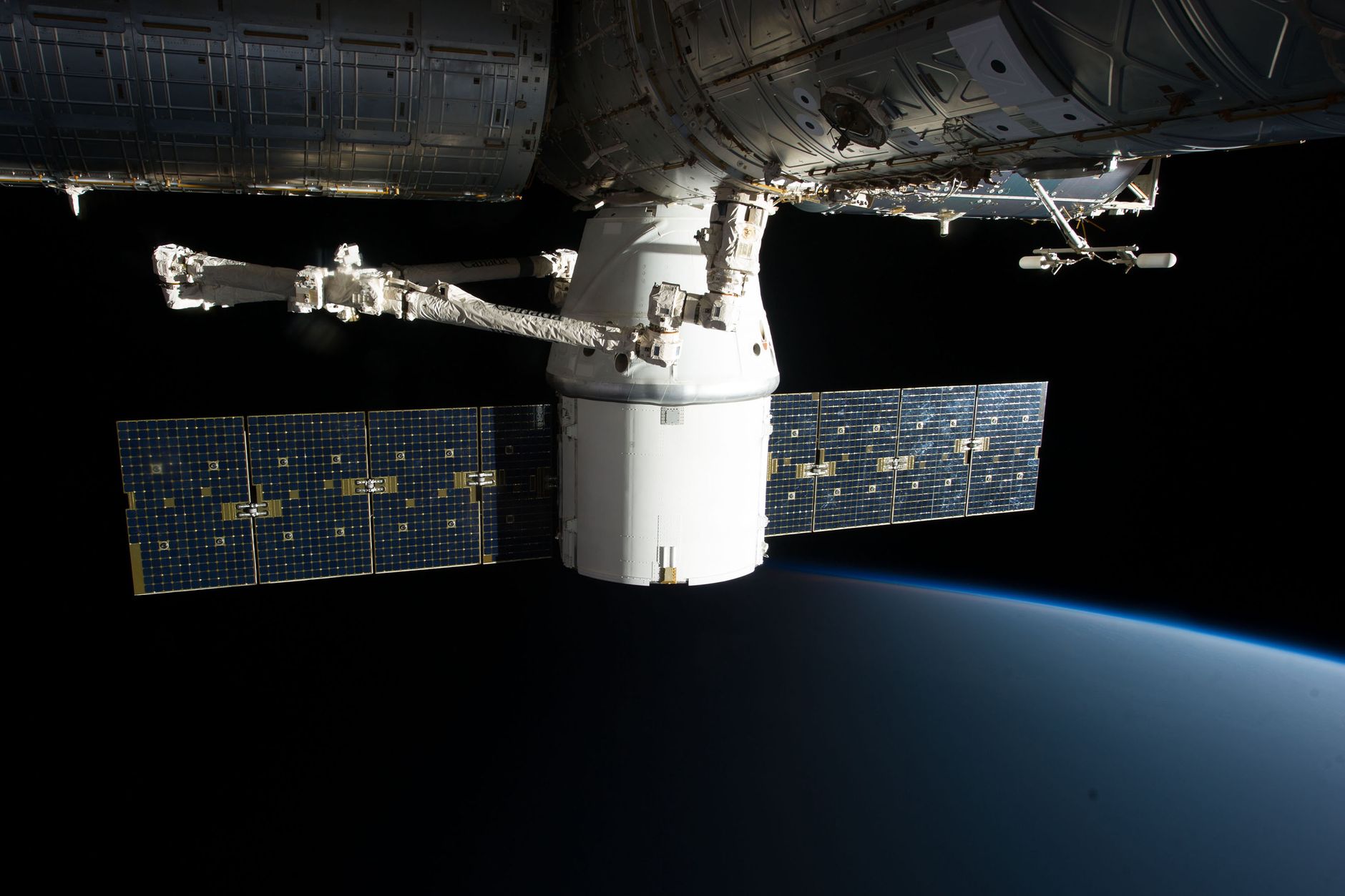
Photo by SpaceX on Pexels