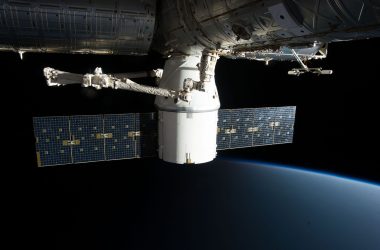
UK space cleanup mission is gaining attention as Reg readers suggest the name ‘Binface’ for the initiative. This creative choice highlights the importance of addressing space debris.
Overview of the UK space cleanup mission
The UK space cleanup mission, popularly dubbed ‘Binface’ by readers, aims to address the growing problem of space debris in Earth’s orbit. With thousands of defunct satellites and fragments floating in space, the mission seeks to develop innovative solutions to safely remove this hazardous material.
Key objectives of the UK space cleanup mission include:
- Identifying the primary sources of space debris and their potential threats to active satellites.
- Developing advanced technologies capable of capturing and deorbiting space junk.
- Collaborating with international partners to establish guidelines and protocols for space sustainability.
As the mission progresses, it is anticipated that successful strategies will not only mitigate risks but also pave the way for a cleaner, safer space environment. The UK is positioning itself as a leader in this critical area of space exploration, promoting both innovation and responsibility in space activities.
Why space debris is a growing concern
As the UK space cleanup mission gains momentum, the issue of space debris has become increasingly pressing. The accumulation of defunct satellites, spent rocket parts, and other fragments poses significant risks to both operational spacecraft and future exploration efforts.
Several factors contribute to the growing concern regarding space debris:
- Collision Risks: The probability of collisions between space debris and active satellites is rising, which can lead to catastrophic failures and further debris generation.
- Impact on Space Exploration: Increased debris levels threaten the safety of crewed missions and vital scientific research conducted in space.
- Long-term Sustainability: Without effective cleanup efforts, the space environment could become increasingly hazardous, jeopardizing the future of satellite operations and exploration initiatives.
Addressing these challenges through initiatives like the UK space cleanup mission is crucial for maintaining a sustainable space environment for generations to come.
The role of Reg readers in naming
The UK space cleanup mission has garnered significant public interest, particularly among readers of The Register. In a recent initiative, Reg readers were invited to contribute to the naming of this vital mission aimed at addressing the pressing issue of space debris.
After a series of engaging suggestions, the name “Binface” emerged as a popular choice, reflecting both humor and the mission’s serious goal of cleaning up Earth’s orbit. This creative involvement not only highlights the public’s enthusiasm but also emphasizes the importance of community engagement in scientific endeavors.
As the UK space cleanup mission progresses, the role of the public will continue to be crucial. Their input can bring attention to the challenges posed by space debris and foster a sense of ownership over the mission. Such participation is vital in building awareness and support for initiatives designed to safeguard our planet’s space environment.
Ultimately, the collaboration between experts and the public could pave the way for innovative solutions in tackling space debris.
Key features of the Binface initiative
The Binface initiative, part of the UK space cleanup mission, aims to address the increasing issue of space debris. This program is characterized by several key features:
- Innovative Technology: Binface utilizes cutting-edge technology designed to capture and deorbit space junk safely.
- Collaboration: The initiative involves partnerships between government agencies, universities, and private companies to enhance effectiveness.
- Public Engagement: The mission encourages public participation, allowing individuals to contribute ideas and stay informed about the progress.
- Sustainability Focus: Binface emphasizes environmentally friendly methods to minimize the impact of cleanup operations.
- Global Impact: While focusing on UK space debris, the initiative aims to inspire worldwide efforts to tackle this pressing issue.
By addressing these aspects, the Binface initiative represents a comprehensive approach in the UK space cleanup mission, ensuring a cleaner and safer orbital environment for future generations.
Potential impacts on space exploration
The UK space cleanup mission has significant implications for the future of space exploration. As the amount of debris in Earth’s orbit continues to grow, the potential for collisions increases, posing risks to both manned and unmanned missions. This initiative aims to mitigate those risks, enhancing the safety and sustainability of space activities.
By actively removing space debris, the UK space cleanup mission could:
- Protect operational satellites: Reducing the likelihood of collisions ensures that vital communication, navigation, and weather satellites can function without interruption.
- Facilitate new missions: A cleaner orbital environment encourages investment in innovative space exploration projects, as the risks associated with debris are minimized.
- Promote international collaboration: The mission highlights the importance of global cooperation in addressing common challenges in space, fostering partnerships across nations.
Ultimately, the success of the UK space cleanup mission could pave the way for a more sustainable and secure future in space exploration.
Comparative analysis of cleanup methods
The UK space cleanup mission aims to tackle the escalating issue of space debris using various methods. A comparative analysis of cleanup techniques reveals several approaches that could effectively mitigate the risks associated with space junk.
- Active Debris Removal (ADR): This method involves using specially designed spacecraft to capture and deorbit larger pieces of debris. It shows promise in reducing the most hazardous objects.
- Space Tugs: These vehicles can maneuver around low Earth orbit, capturing debris and moving it to safer orbits, effectively minimizing collision risks.
- Lasers: Ground-based or space-based lasers can be used to nudge smaller debris into reentry trajectories, allowing them to burn up in the atmosphere.
- Electrodynamic Tethers: This innovative approach employs tethers to generate drag, enabling the controlled deorbiting of defunct satellites.
While each method presents unique advantages and challenges, the UK space cleanup mission will likely incorporate the best proven approaches to ensure a sustainable orbital environment.
Future of space sustainability efforts
The future of space sustainability efforts hinges on innovative strategies like the UK space cleanup mission, which aims to address the escalating issue of space debris. As more nations and companies venture into space, the urgency for effective cleanup initiatives becomes paramount.
Experts emphasize a multifaceted approach, combining technology and policy to ensure long-term sustainability. Key components include:
- Collaboration: International partnerships are essential for sharing resources and knowledge.
- Technological advancements: Developing cutting-edge tools and methods for debris removal will enhance mission success.
- Education and awareness: Raising public and industry awareness about the importance of space sustainability can foster responsible behaviors.
As the UK space cleanup mission demonstrates, addressing space debris is not just a national issue but a global challenge requiring collective action. The lessons learned from this initiative may pave the way for future missions aimed at preserving our orbital environment for generations to come.