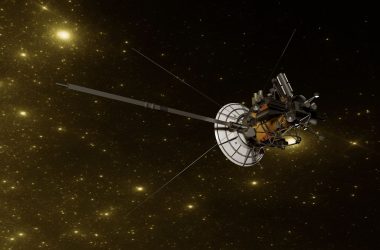
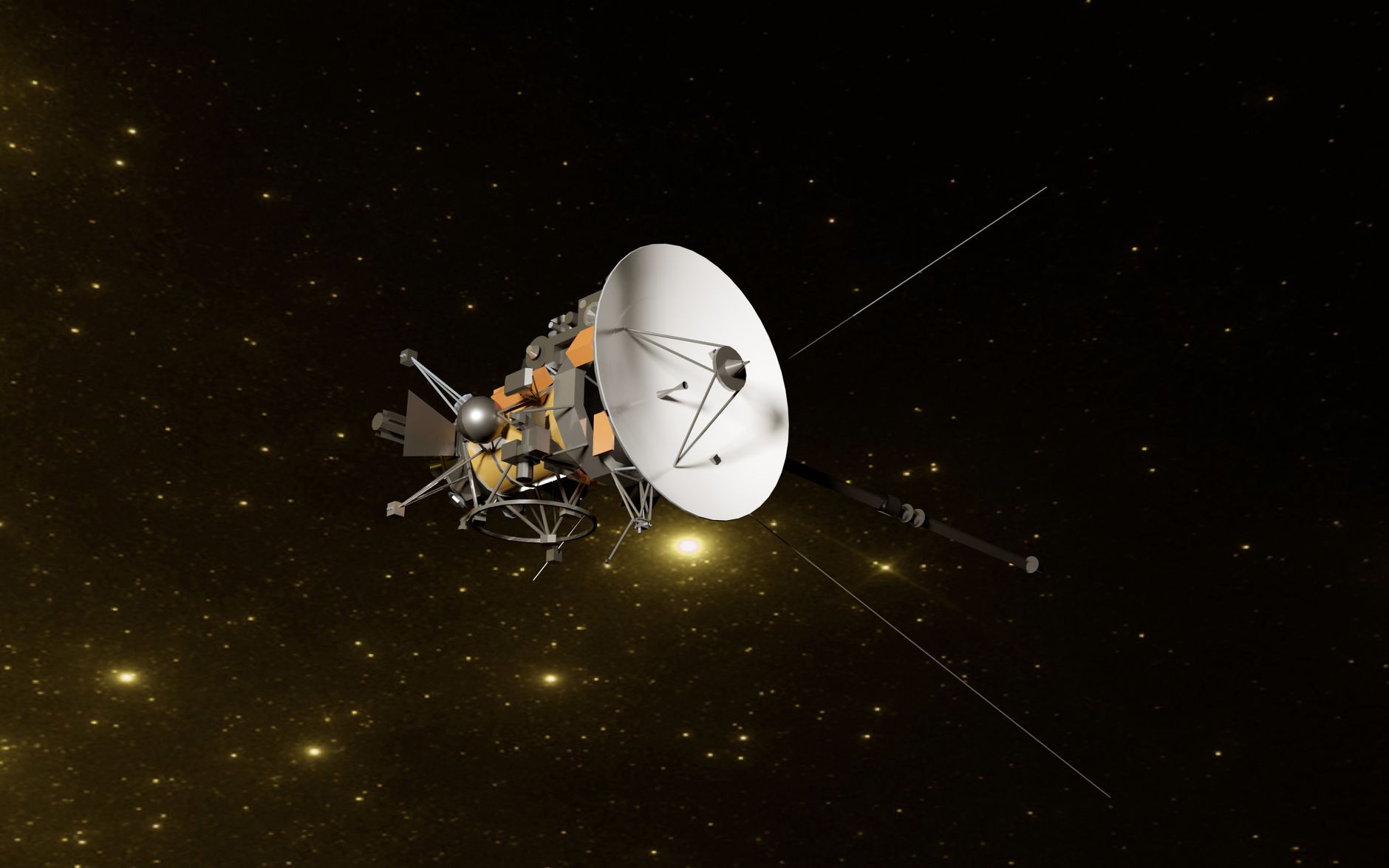
Hayabusa2 probe engine trouble has led to a significant change in Japan’s plans for its asteroid landing mission. The probe, which was expected to land, now faces unexpected challenges.
What Happened to Hayabusa2?
The Hayabusa2 probe, a significant mission by Japan to explore asteroids, has encountered unexpected challenges due to engine trouble. This malfunction has resulted in a significant alteration to the spacecraft’s original plans, particularly affecting its anticipated landing on the asteroid 1998 KY26.
Initially designed to gather samples from the asteroid and return them to Earth, the probe’s engine issues have prompted scientists to reconsider their mission objectives. The Japan Aerospace Exploration Agency (JAXA) is currently assessing the situation and determining the best course of action moving forward.
Key details regarding the implications of the engine trouble include:
- The probe may not achieve its planned landing on the asteroid.
- Scientists are exploring alternative missions that still utilize Hayabusa2’s capabilities.
- JAXA is committed to resolving the technical difficulties as swiftly as possible.
Despite the setback, the Hayabusa2 team remains hopeful about the probe’s future contributions to space exploration.
Impact on Japan’s Space Program
The recent engine trouble faced by the Hayabusa2 probe has raised significant concerns regarding Japan’s space program. This unexpected setback not only affects the specific mission but also has broader implications for future explorations.
Japan’s space agency, JAXA, had high hopes for Hayabusa2, which was initially designed to land on asteroids and retrieve samples to further our understanding of the solar system. However, with the engine issues, the mission’s trajectory has shifted, forcing scientists to reconsider their objectives.
Many experts are now worried about the long-term impact on Japan’s reputation in the competitive field of space exploration. Key points of concern include:
- Funding and Resources: The need for additional funding to address the engine issues may divert resources from other projects.
- Future Missions: Confidence in upcoming missions may be shaken due to this incident.
- International Collaboration: Partnerships with other countries could be affected.
Ultimately, the engine trouble of the Hayabusa2 probe has cast uncertainty over Japan’s future in space exploration.
Future Plans for the Probe
The Hayabusa2 probe, initially designed to explore and collect samples from asteroids, is now facing a revised mission due to engine trouble. Japan’s space agency, JAXA, is currently assessing the situation and determining the best course of action moving forward.
Despite the setback, JAXA remains committed to maximizing the probe’s scientific potential. Future plans may include:
- Extended observation: Utilizing Hayabusa2’s remaining instruments to gather data on celestial bodies from a distance.
- Alternative targets: Redirecting the probe to study other asteroids or space phenomena that require less complex maneuvers.
- Data analysis: Focusing on analyzing the samples already returned from the asteroid Ryugu to gain insights into the origins of the solar system.
While the engine trouble has altered the original mission, JAXA is optimistic that the Hayabusa2 probe can still contribute valuable knowledge to the field of space exploration.
Understanding Asteroid Missions
Asteroid missions have captivated scientists and space enthusiasts alike, offering insights into the early solar system. These missions are designed to collect samples from asteroids and return them to Earth, allowing researchers to study their composition and potential resources. The Hayabusa2 probe was a prime example of such a mission, aiming to explore the asteroid Ryugu.
However, the recent Hayabusa2 probe engine trouble has underscored the complexities involved in space exploration. Asteroids are remnants from the formation of our solar system, and studying them can provide valuable information about planetary formation and the origins of water and organic materials on Earth.
Successful asteroid missions rely on advanced technology and precision engineering. They often involve intricate maneuvers to land on the asteroid’s surface, collect samples, and safely return them. Challenges, such as engine failures, can significantly impact these missions, altering their trajectory and objectives.
As scientists analyze the current situation, the lessons learned from Hayabusa2 will inform future missions.
The Hayabusa2 probe engine trouble has raised concerns about the future of the mission. Engineers are currently assessing the impact of the Hayabusa2 probe engine trouble on the spacecraft’s timeline.
Photo by Paul Seling on Pexels