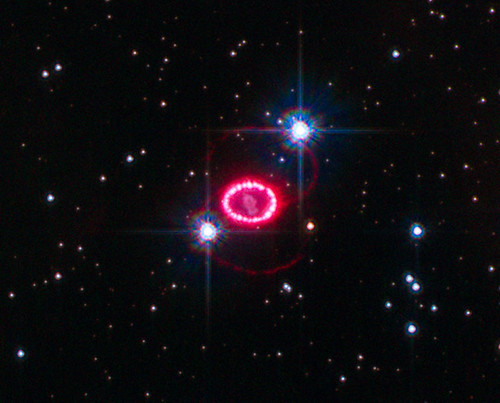
A galactic shock wave is poised to transform our understanding of the Milky Way. Recent studies suggest that this phenomenon could significantly alter the galaxy’s map and dynamics.
What is a galactic shock wave?
A galactic shock wave is a powerful phenomenon that occurs when a massive explosion, such as a supernova or the collision of galaxies, sends a wave of energy through space. This wave travels at incredible speeds, compressing gas and dust in its path, which can trigger the formation of new stars and reshape existing structures within galaxies.
These shock waves are crucial for understanding the dynamics of the Milky Way and play a significant role in its evolution. The interaction between shock waves and cosmic matter can lead to various outcomes, including:
- Star formation: Compressing material can lead to new stars.
- Galactic structure: Alters the arrangement of stars and gas clouds.
- Cosmic recycling: Redistributes materials across the galaxy.
Overall, a galactic shock wave could potentially rewrite the map of the Milky Way and enhance our understanding of its history.
How does it affect the Milky Way?
The impact of a galactic shock wave on our Milky Way can be profound, influencing various aspects of the galaxy’s structure and evolution. Here are some potential effects:
- Star Formation: The compression of gas and dust caused by the shock wave may stimulate new star formation, leading to the birth of numerous stars in previously quiet regions.
- Galactic Structure: It can alter the distribution of matter, potentially reshaping spiral arms and creating new features within the galaxy.
- Cosmic Rays: The shock wave may accelerate cosmic rays, impacting the interstellar medium and affecting the galactic environment.
- Stellar Dynamics: The movement of stars and clusters could be altered, leading to changes in stellar orbits and interactions.
Understanding these effects is crucial for astrophysicists studying the Milky Way’s future.
Recent discoveries in astronomy
Recent discoveries in astronomy have shed light on the phenomenon of galactic shock waves and their profound effects on our Milky Way galaxy. Researchers have utilized advanced telescopes and data analysis techniques to observe and measure these shock waves, unveiling new insights into their structure and influence.
Key findings include:
- Formation of Star Clusters: Galactic shock waves can trigger the birth of new stars by compressing gas clouds.
- Galactic Evolution: These waves play a critical role in shaping the Milky Way’s structure over millions of years.
- Interstellar Medium Interaction: Shock waves interact with the interstellar medium, affecting its composition and dynamics.
As scientists continue to study these cosmic events, our understanding of the galaxy’s formation and evolution is expected to expand significantly.
The significance of cosmic events
The significance of cosmic events extends beyond mere curiosity; they often reshape our understanding of the universe. The detection of a galactic shock wave serves as a prime example of how such phenomena can have profound implications for our Milky Way.
Researchers believe that these shock waves can influence star formation, redistribute interstellar gas, and alter the dynamics of our galaxy. Understanding these effects is crucial for astronomers seeking to map the Milky Way accurately.
In addition to influencing galactic structure, cosmic events can also shed light on the history of our galaxy, revealing past interactions with neighboring galaxies. This knowledge not only enhances our grasp of the Milky Way’s evolution but also informs predictions about its future.
As scientists continue to study these phenomena, the potential for new discoveries remains vast.
Future studies on galactic dynamics
Future studies on galactic dynamics are crucial to understanding the implications of the recent findings regarding the galactic shock wave. Researchers are now focusing on several key areas:
- Mapping Stellar Movements: Scientists aim to create precise maps of star trajectories affected by the shock wave.
- Analyzing Gas Clouds: Further investigation into how gas clouds interact with the shock wave will shed light on star formation rates.
- Simulations and Models: Advanced simulations will help predict future movements and changes within the Milky Way.
These studies could not only enhance our understanding of the galactic shock wave but also provide insights into the overall dynamics of our galaxy, potentially leading to groundbreaking discoveries in astrophysics.
Expert opinions on the findings
Experts in astrophysics have shared their insights regarding the implications of recent findings on the galactic shock wave. According to Dr. Emily Carter, a leading researcher in the field, “this phenomenon could significantly alter our understanding of the Milky Way’s structure.” She emphasizes that the shock wave may lead to a reevaluation of star formation rates and the distribution of interstellar matter.
Additionally, Dr. Ravi Singh points out that “the interaction between the galactic shock wave and cosmic dust clouds could provide crucial information about the evolution of our galaxy.” He suggests that future observations could unveil new dynamics that challenge existing models.
Overall, the scientific community is abuzz with excitement as these discoveries may pave the way for groundbreaking research in galactic dynamics.
By NASA Goddard Photo and Video via Openverse