
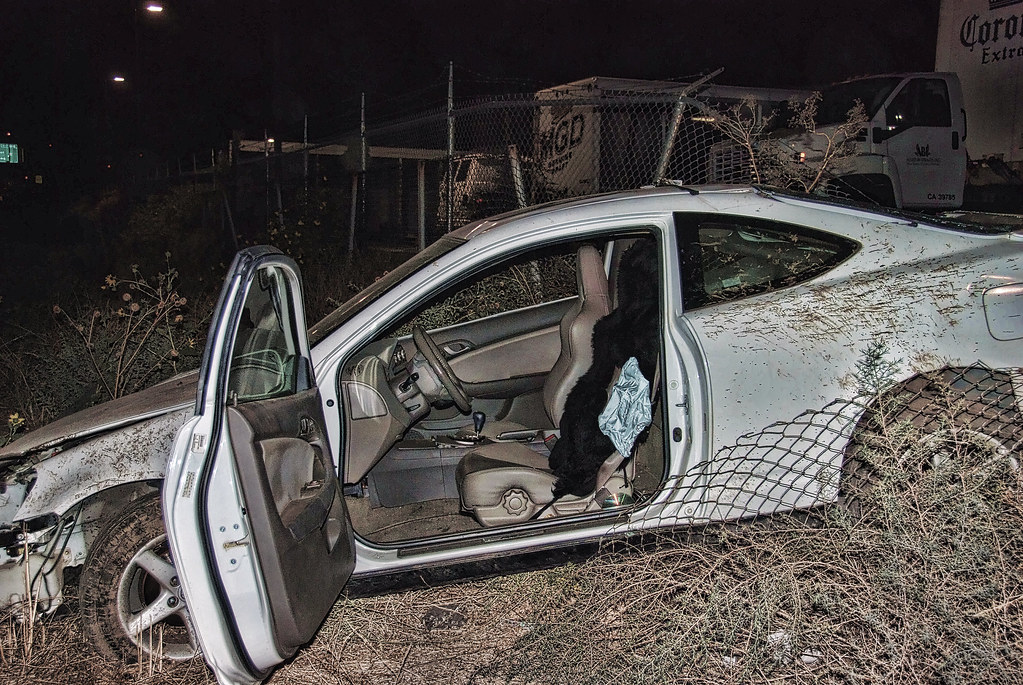
high-speed car chases are now banned under new guidance issued by ICE, which aims to enhance safety during traffic stops. This new memo outlines stricter regulations for law enforcement officers.
New ICE Guidance Overview
The recent guidance issued by the Immigration and Customs Enforcement (ICE) aims to enhance public safety by banning high-speed car chases in most circumstances. This new directive seeks to minimize the risks associated with dangerous pursuits that can endanger both law enforcement and civilians.
According to an internal memo, the guidance outlines specific parameters for traffic stops and the use of pursuit tactics. Key points include:
- Limitations on Pursuits: High-speed car chases are prohibited unless there is an immediate threat to public safety.
- Prioritization of Safety: Officers are encouraged to evaluate the risks before engaging in any pursuit.
- Training Requirements: Enhanced training for officers on safe pursuit techniques and alternatives.
This comprehensive approach reflects a growing recognition of the dangers posed by high-speed car chases and aims to protect communities while maintaining effective law enforcement.
Impact on Law Enforcement
The new guidance issued by ICE has significant implications for law enforcement agencies across the country. With the ban on high-speed car chases, officers will need to adapt their strategies to ensure public safety while still enforcing the law effectively.
Key impacts include:
- Increased Training: Officers will require additional training to handle situations without resorting to high-speed pursuits.
- Resource Allocation: Departments may need to invest in technology such as surveillance and tracking systems to monitor suspects more safely.
- Public Relations: Agencies will need to strengthen community relations by emphasizing safety over apprehension in their policies.
- Legal Considerations: New guidelines may lead to more scrutiny and accountability for traffic stops and pursuit-related incidents.
As law enforcement adjusts to these changes, the focus will shift towards maintaining safety while effectively responding to criminal activity without the risks associated with high-speed car chases.
Reasons Behind the Ban
The recent ban on high-speed car chases has been implemented for several critical reasons. Firstly, these pursuits often lead to significant risks not only for the suspects involved but also for innocent bystanders. The speed and unpredictability of high-speed car chases can result in severe accidents, causing injuries and fatalities.
Secondly, law enforcement agencies have reported that the majority of high-speed pursuits do not yield the intended outcomes. Many suspects evade capture or are apprehended without the need for dangerous chases. This has led to a re-evaluation of police tactics, prioritizing safety over aggressive pursuit methods.
Additionally, the financial implications of high-speed car chases cannot be overlooked. The costs associated with accidents, legal liabilities, and vehicle damage can burden police departments. By curbing these pursuits, law enforcement can allocate resources more efficiently and focus on community safety.
In summary, the ban reflects a commitment to prioritizing public safety and responsible policing practices.
Public Reaction to the Changes
Public reaction to the recent changes in guidelines regarding high-speed car chases has been mixed. Many community members express strong support for the new measures, believing they prioritize safety over high-stakes pursuits. Maria Lopez, a resident of downtown, stated, “It’s about time we put public safety first. High-speed chases endanger innocent lives.”
However, not everyone is convinced. Some argue that banning high-speed car chases could hinder law enforcement’s ability to apprehend dangerous criminals. Officer James Hart voiced concerns, saying, “These pursuits are often necessary to catch individuals who pose a serious threat to society.”
Additionally, local activists are advocating for more comprehensive alternatives to pursuits, such as improved surveillance technologies. David Chen, a member of the community action group, remarked, “We need to find solutions that keep our streets safe without resorting to high-speed chases.”
As the debate continues, it is clear that the new guidelines will have a lasting impact on law enforcement practices and community safety.
Future of Traffic Stops
The future of traffic stops in light of the recent changes raises significant questions about safety and enforcement. High-speed car chases have long been a controversial aspect of policing, often leading to dangerous situations for both officers and civilians. With the new guidance banning these pursuits, law enforcement agencies are now required to adopt alternative strategies.
Officers will focus more on de-escalation and gathering information without engaging in high-speed chases. This shift aims to prioritize public safety while still addressing traffic violations effectively. As a result, law enforcement may employ tactics such as:
- Increased use of surveillance and technology to track vehicles
- Utilizing roadblocks in non-urgent situations
- Issuing citations based on evidence collected
These changes reflect a growing acknowledgment that traditional methods of pursuit can have devastating consequences, emphasizing the need for safer, more effective approaches to traffic enforcement.
Comparison with Previous Policies
In contrast to previous policies, the new guidance places significant restrictions on high-speed car chases, aiming to enhance public safety and reduce the risks associated with dangerous pursuits. Under earlier directives, law enforcement agencies were often permitted to engage in high-speed chases with less oversight, leading to numerous incidents that endangered both officers and civilians.
The previous approach allowed pursuits for a wider range of offenses, including minor traffic violations, which frequently escalated into high-stakes scenarios. However, the updated guidelines emphasize a more measured response, stipulating that chases should only be conducted in cases of serious crimes where immediate apprehension is deemed necessary.
Additionally, prior policies did not uniformly require training on the risks of high-speed chases, whereas the new regulations mandate comprehensive training for officers to evaluate the situation critically before initiating a pursuit. This shift reflects a growing recognition of the potential dangers posed by high-speed car chases and aims to promote safer practices in law enforcement.
Expert Opinions on Safety
Experts in law enforcement and public safety are weighing in on the recent guidance banning high-speed car chases. Many believe that this decision prioritizes the safety of both officers and civilians. Dr. Emily Carter, a criminologist, stated, “High-speed car chases can lead to tragic outcomes, not just for those involved in the pursuit but for innocent bystanders as well.”
Additionally, Officer James Ramirez expressed concerns regarding the effectiveness of high-speed pursuits in catching suspects. “In most cases, the risks outweigh the benefits. We need to focus on alternative methods of apprehension that don’t endanger lives,” he noted.
There is a growing consensus that the new guidance will encourage law enforcement agencies to seek safer, more effective techniques for managing traffic violations. Reducing high-speed car chases could ultimately lead to a decrease in traffic-related injuries and fatalities.
As these discussions continue, many hope that the shift will foster a culture of safety and responsibility on the roads.
Next Steps for Implementation
The implementation of the new guidance regarding high-speed car chases will require law enforcement agencies to adopt a series of adjustments in their operational protocols. As officials work to integrate these changes, several key steps have been identified.
- Training Programs: Agencies must develop comprehensive training sessions for officers, emphasizing non-pursuit tactics and alternative methods for apprehending suspects.
- Policy Revisions: Departments are expected to update their pursuit policies, ensuring they align with the new guidelines and prioritize community safety.
- Community Engagement: Law enforcement must engage with local communities to explain the rationale behind the ban on high-speed car chases and foster trust in the updated practices.
- Monitoring Compliance: Regular audits will be necessary to ensure adherence to the new regulations, with accountability measures for agencies that fail to comply.
These steps will be crucial for achieving the desired outcomes of enhanced safety and reduced risk during traffic stops.
By Chris Yarzab via Openverse