
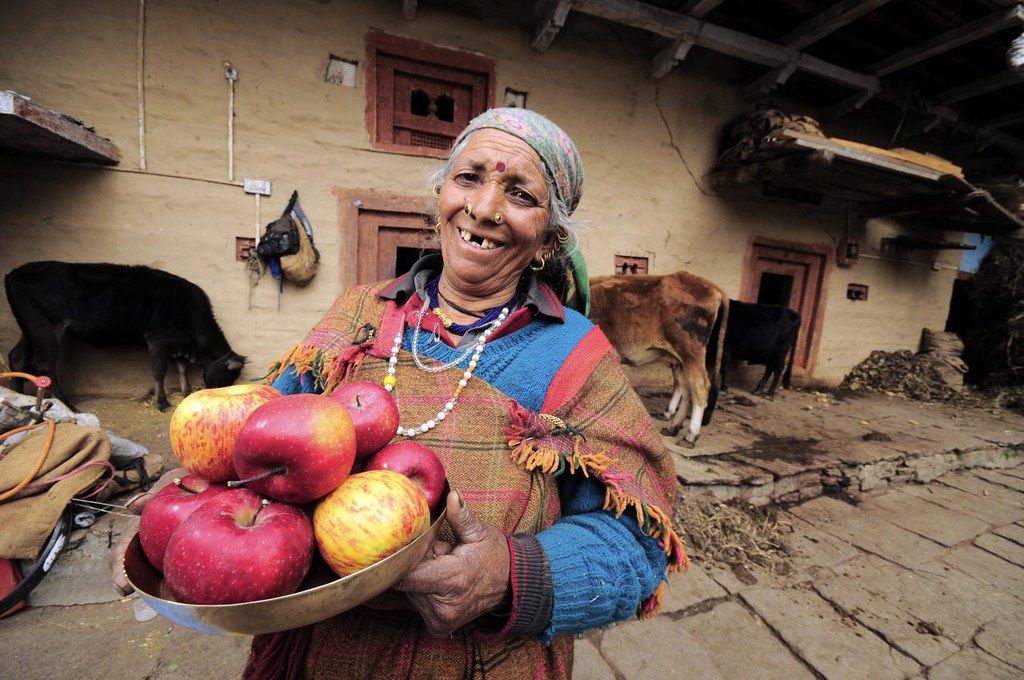
India’s women rise in Nagoya highlights their inspiring journey and significant accomplishments in various fields. This event marks a pivotal moment for gender equality and empowerment in India.
The Significance of Women’s Achievements
The recent achievements of women in India, particularly highlighted during the events in Nagoya, mark a significant turning point in the quest for gender equality. These accomplishments not only demonstrate individual success but also inspire collective progress, showcasing how India’s women rise to the occasion in various fields.
The significance of women’s achievements can be understood through several key factors:
- Empowerment: The success of women in Nagoya serves as a catalyst for empowerment, encouraging more women to pursue their ambitions and break societal norms.
- Role Models: Trailblazing figures from India are now serving as role models, motivating the younger generation to strive for excellence in their respective domains.
- Community Impact: Women’s achievements have a ripple effect, positively influencing their communities by fostering an environment of support and collaboration.
- Global Recognition: As India’s women rise and gain international acclaim, they bring attention to local issues and highlight the potential within their communities.
These factors contribute to a broader understanding of how women’s achievements can lead to societal transformation. As India continues to witness this rise, the impact of these achievements will likely extend far beyond the borders of Nagoya, inspiring change across the globe.
Historical Context of Women in Sports
In the context of sports, the historical journey of women in India has been marked by significant challenges and remarkable milestones. For decades, women faced societal barriers that discouraged participation in various athletic disciplines. Traditional gender roles often relegated women to domestic responsibilities, limiting their opportunities for sports involvement.
However, the late 20th century saw a shift as more women began breaking through these barriers, paving the way for future generations. Their determination and resilience contributed to a gradual change in perception, encouraging young girls to pursue sports as a viable career path. This evolution can be seen in the rising number of female athletes representing India on international platforms.
The recent achievements of Indian women in sports, particularly highlighted during events in Nagoya, serve as a testament to this progress. As women continue to rise and make their mark, they inspire others to follow suit. The impact of their success extends beyond sports; it fosters a sense of empowerment and challenges age-old stereotypes.
As more women engage in competitive sports, the narrative of women in India is transforming. Their success stories are crucial in promoting gender equality and encouraging participation among the youth. Ultimately, India’s women rise not only celebrates individual accomplishments but also signifies a collective movement towards a more inclusive sporting culture.
Celebrating Women Leaders
In recent years, the narrative surrounding India’s women rise has become increasingly prominent, especially as women leaders emerge in various sectors. The city of Nagoya stands as a testament to this evolution, showcasing the remarkable achievements of Indian women who have broken barriers and set new benchmarks.
Celebrating women leaders in Nagoya reflects a broader cultural shift in India, where women are not only participating but excelling in traditionally male-dominated fields. These leaders are paving the way for future generations, inspiring countless young girls to pursue their dreams without limitations.
- Enhanced Representation: Women leaders are now holding significant positions in government and business, contributing to more diverse decision-making processes.
- Increased Participation: Initiatives aimed at empowering women have led to greater participation in sports, politics, and education.
- Mentorship Programs: Successful women are actively mentoring the next generation, ensuring that their knowledge and experiences are passed down.
As India’s women rise, the impact in Nagoya serves as an inspiring example of how leadership can be transformative. The achievements of these women not only celebrate their individual successes but also cultivate a sense of community and solidarity among women across the globe, reinforcing the idea that when women succeed, societies flourish.
Impact of Cultural Shifts
The impact of cultural shifts in India regarding women’s participation in various sectors is becoming increasingly evident. As India’s women rise, traditional perceptions are being challenged, creating an environment where female achievements are celebrated and encouraged. This cultural evolution has significant implications, particularly in urban areas like Nagoya, where women are breaking barriers and creating history.
One notable effect of this shift is the growing visibility of female role models. Women from diverse backgrounds are now seen as leaders, athletes, and innovators, inspiring younger generations to pursue their dreams. This shift is reflected in various fields:
- Sports: The rise of women athletes in national and international competitions has led to increased support and investment in women’s sports.
- Business: Female entrepreneurs are gaining recognition, driving economic growth, and contributing to job creation.
- Politics: Women are increasingly occupying leadership roles, influencing policy-making and advocating for gender equality.
Furthermore, the media plays a crucial role in amplifying these narratives, showcasing the accomplishments of women and challenging stereotypes. The collective impact of these cultural shifts is not only empowering women but also fostering a more inclusive society. As India’s women rise, the message is clear: progress is possible when barriers are dismantled and opportunities are made accessible to all.
Challenges Faced by Women
Despite the remarkable progress observed in recent years, women in India continue to face significant challenges that hinder their full participation and success in various fields. The journey of India’s women rise is fraught with obstacles that require ongoing attention and action.
Among the primary challenges are:
- Societal Norms: Traditional gender roles often restrict women’s opportunities in education and employment, perpetuating stereotypes that deem them less capable.
- Lack of Infrastructure: Insufficient facilities for training and development in sports and professional arenas limit women’s potential to excel.
- Funding Disparities: Female athletes and entrepreneurs frequently encounter a lack of financial support, making it difficult to pursue their ambitions.
- Safety Concerns: Issues of harassment and violence continue to pose threats, discouraging women from participating fully in public life.
- Limited Representation: Women are underrepresented in leadership roles across various sectors, which affects decision-making and policy development.
Addressing these challenges is crucial to ensuring that the momentum of India’s women rise translates into sustained change. As society continues to evolve, breaking down these barriers will be essential for harnessing the full potential of women across the nation.
Future Prospects for Women
As India’s women rise in various fields, the prospects for their future appear increasingly promising. The momentum gained from recent achievements in Nagoya is paving the way for a more equitable society where women can thrive. With the growing recognition of women’s accomplishments, there is a shift in societal attitudes that encourages young girls to pursue their dreams without hesitation.
Key areas where women are likely to make significant strides include:
- Sports: The success of female athletes in international competitions has inspired a new generation to engage in sports, promoting fitness and teamwork.
- Leadership: As more women take on leadership roles in various sectors, there is a growing influence on policies that support gender equality.
- Education: Increased investments in education for girls are expected to transform the workforce, yielding economic benefits for the nation.
Moreover, the collaboration between government bodies and non-profits to support women’s initiatives is expected to create a ripple effect. With mentorship programs and funding opportunities, women will have the resources they need to excel. As India’s women rise, the focus must also remain on sustaining this progress, ensuring that the barriers faced in the past do not hinder future generations. The journey towards equality is far from over, but the path is becoming clearer.
India’s Women Rise: A New Era
In recent years, India’s women rise has become a powerful narrative, especially highlighted during events such as the competitions in Nagoya. This new era signifies not only remarkable achievements in sports but also a paradigm shift in how society perceives female empowerment. The accomplishments of Indian women in various fields have started to challenge long-standing stereotypes and restrictions.
During the Nagoya events, the impact of female athletes and leaders was palpable. Their performances have not only won medals but have also inspired countless young girls across the nation to pursue their dreams fearlessly. This wave of inspiration is accompanied by a growing recognition of women’s rights and the importance of gender equality.
Several factors contribute to this transformative moment:
- Increased Representation: More women are being featured in leadership roles, both in sports organizations and community initiatives.
- Supportive Policies: Government programs aimed at promoting women in sports and other fields have started to yield results.
- Community Support: Grassroots movements are encouraging families to support their daughters in pursuing sports and education.
This confluence of efforts signifies that India’s women rise is not merely a trend but a profound change that promises a brighter future for generations to come.
By CIAT International Center for Tropical Agriculture via Openverse