
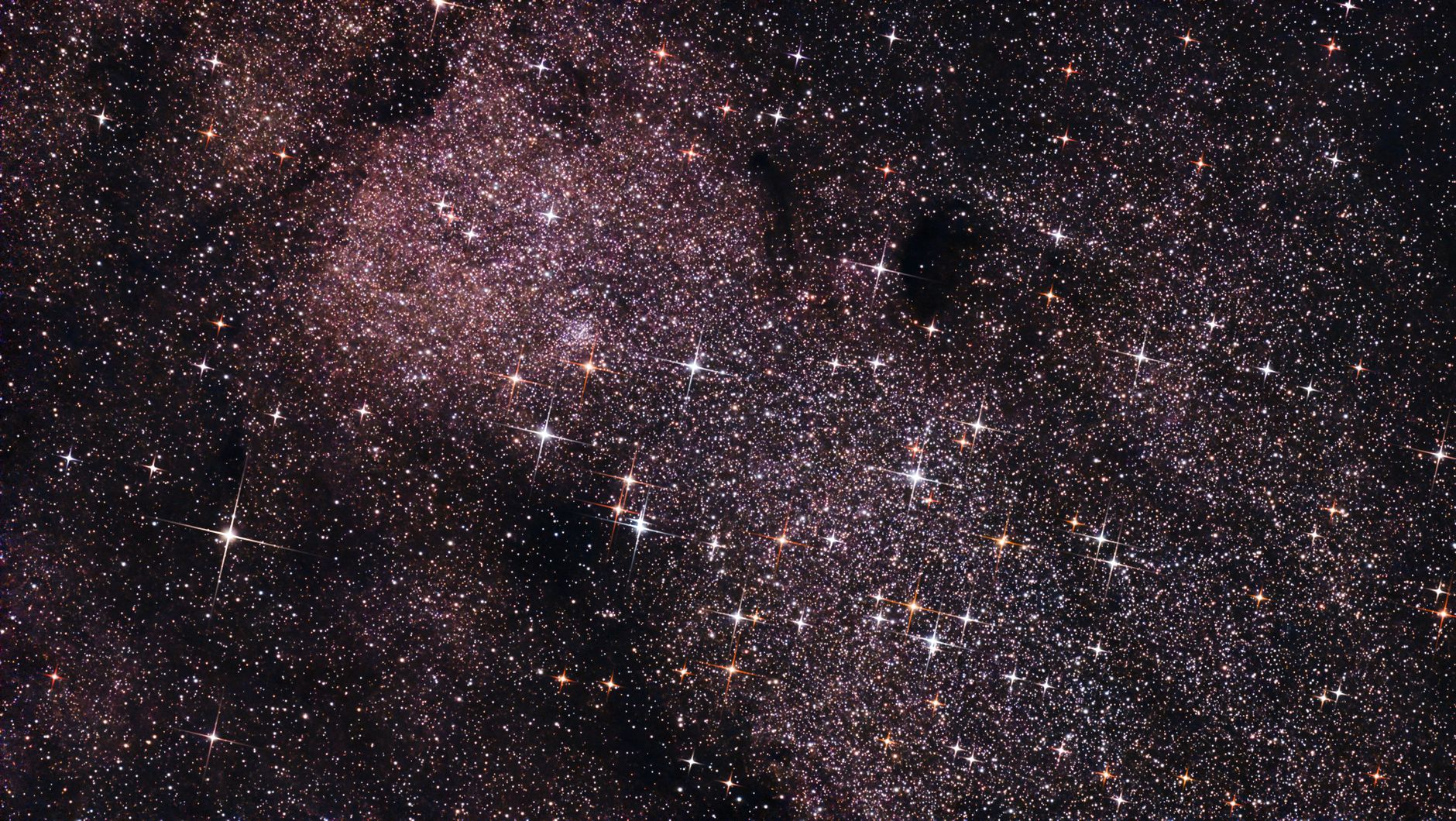
star-forming cores are at the forefront of new discoveries in astrophysics. ALMA has unveiled three distinct cores within a single gas clump, each at different stages of star formation.
Understanding Star-Forming Cores
Recent observations from the Atacama Large Millimeter/submillimeter Array (ALMA) have provided valuable insights into the nature of star-forming cores. These regions, rich in gas and dust, serve as the birthplace for new stars within galaxies. ALMA has identified three distinct star-forming cores, each at different stages of development, within a single gas clump. This discovery highlights the complexity of the processes that lead to star formation.
The stages of development observed can be categorized as:
- Initial Core Formation: Where dense gas begins to accumulate.
- Protostar Stage: The core has enough mass to initiate nuclear fusion.
- Pre-Main Sequence: The star develops further, shedding excess material.
By examining these cores, astronomers gain a clearer understanding of how stars evolve and the dynamics of their environments, ultimately shedding light on cosmic evolution.
The Role of ALMA in Astrophysics
The Atacama Large Millimeter/submillimeter Array (ALMA) has significantly advanced our understanding of star-forming cores and their development in the universe. This state-of-the-art telescope has provided astronomers with unparalleled insights into the intricate processes occurring within dense gas clumps in space.
Recently, ALMA unveiled three distinct star-forming cores at various stages of formation, all located within a single gas clump. This discovery sheds light on how these cores evolve and interact with their environment, offering a glimpse into the lifecycle of stars. The detailed observations made possible by ALMA allow researchers to analyze the temperature, density, and chemical composition of these regions, enhancing our knowledge of cosmic evolution.
- ALMA’s high-resolution imaging reveals the dynamics of gas flow around forming stars.
- The data helps in identifying the initial conditions for star formation.
- Findings support theories about the clustering of stars in galaxies.
Stages of Star Formation Explained
The process of star formation is complex and can be divided into several distinct stages, each showcasing the dynamic evolution of star-forming cores. Initially, dense regions within molecular clouds begin to collapse under their own gravity. This leads to the formation of clumps of gas and dust that continue to gather material.
As the clumps grow, they reach a critical mass, resulting in the development of protostars. During this stage, the temperature rises, and the protostar begins to emit energy in the form of infrared radiation.
Eventually, the protostar evolves into a main-sequence star, where nuclear fusion ignites in its core, marking the birth of a new star. Throughout these stages, star-forming cores play a vital role in shaping the characteristics and lifespans of stars. Understanding these stages helps astronomers piece together the puzzle of cosmic evolution and the lifecycle of galaxies.
Implications for Cosmic Evolution
The discovery of three star-forming cores within a single gas clump has significant implications for our understanding of cosmic evolution. These cores, each in a different stage of development, highlight the complex processes that govern star formation. Star-forming cores act as the building blocks of galaxies, influencing their structure and chemical composition over time.
As researchers analyze these cores, they uncover critical insights into the lifecycle of stars and the dynamics of interstellar matter. The diverse stages observed provide a unique opportunity to study how environmental factors affect star formation rates and the eventual fate of these stars.
- Enhanced understanding of star formation mechanisms
- Insights into the impact of gravitational forces in gas clumps
- Potential connections between star formation and galaxy evolution
Ultimately, these findings may reshape our theories of how galaxies evolve across cosmic time, offering a clearer view of the universe’s past and future.
Photo by Kein Lander on Pexels
References
Related stories
Sehwag and Dravid comparison: The Best Proven Styles · Methodhub Financial Results: Clear Insights on Recent Performance · Pakistan economy forecast: Best path to 6th-largest by 2050