
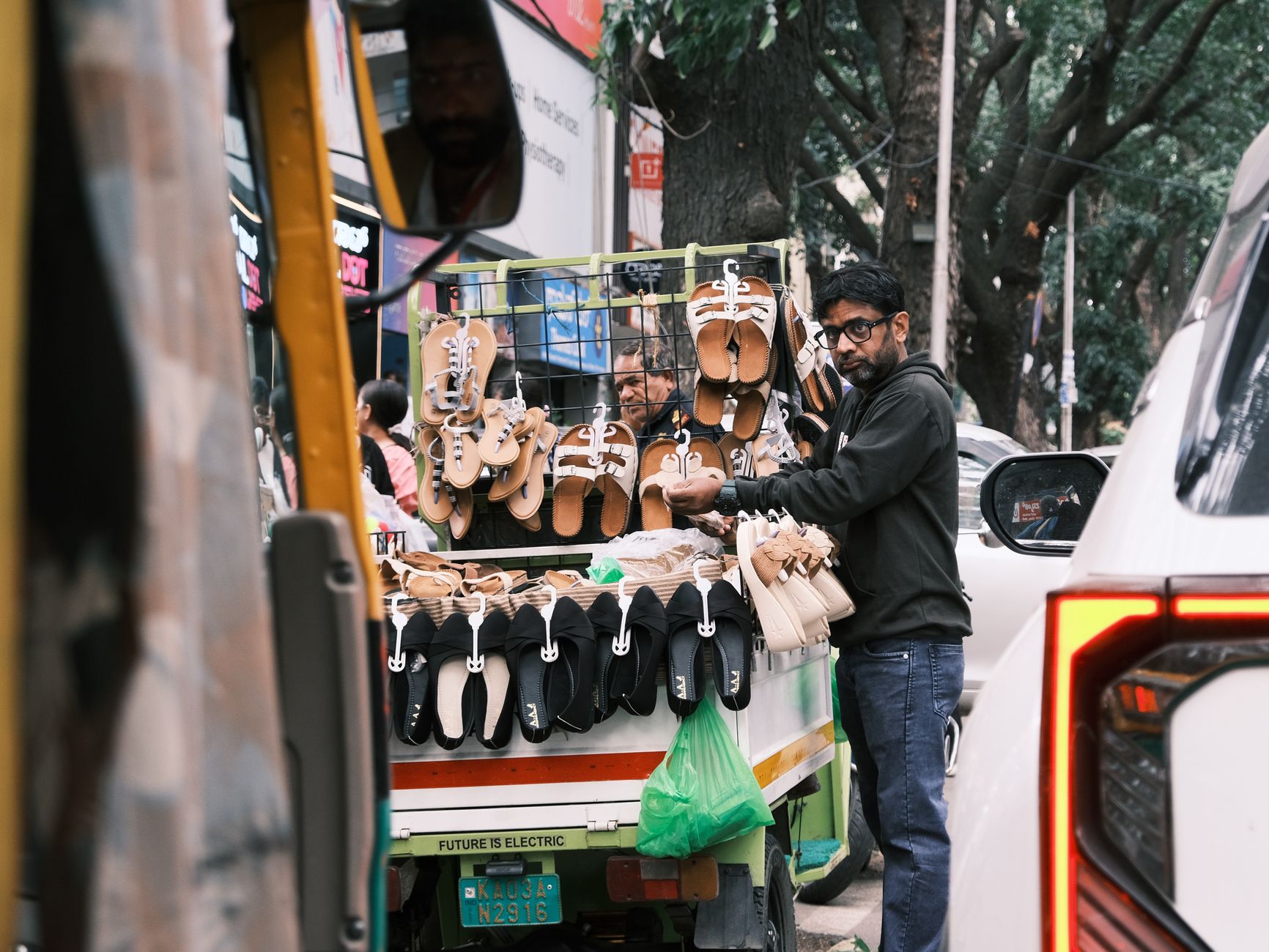
Direct selling in India is experiencing significant growth, with a current valuation of Rs 23,522-crore and 91 lakh sellers active in the market. This shift reflects changing consumer behaviors and the rise of entrepreneurial opportunities.
Overview of Direct Selling in India
Direct selling in India has emerged as a significant contributor to the economy, currently valued at Rs 23,522 crore. According to a recent report by the Association of Direct Selling Enterprises in India (ADSEI), the sector boasts approximately 91 lakh active sellers across the country. This growth reflects a shift in consumer purchasing behavior, with more individuals opting for personalized buying experiences.
The rise of direct selling in India is driven by various factors, including:
- Technological advancements: E-commerce platforms and social media have made it easier for sellers to reach consumers.
- Empowerment of women: The industry provides flexible earning opportunities, particularly benefitting women entrepreneurs.
- Increased awareness: As more people become aware of direct selling, its appeal continues to grow.
With its robust growth trajectory, direct selling in India is poised for further expansion in the coming years.
Key Statistics from the ADSEI Report
The latest report from the Association of Direct Selling Enterprises of India (ADSEI) reveals significant growth in the direct selling industry in India. Here are some key statistics:
- Market Size: The direct selling sector has reached a remarkable Rs 23,522 crore, indicating a robust expansion over recent years.
- Number of Sellers: Approximately 91 lakh individuals are now engaged in direct selling across the country, showcasing the sector’s wide reach.
- Annual Growth Rate: The industry has been growing at an impressive average rate of 12% annually, reflecting increasing consumer trust and market potential.
- Gender Representation: A substantial 50% of direct sellers are women, highlighting the empowering opportunities available in this sector.
- Product Categories: The direct selling market in India encompasses diverse categories, including health, beauty, and home care products.
Impact on Employment Opportunities
The direct selling industry in India has significantly impacted employment opportunities across the nation. With a reported turnover of Rs 23,522-crore and 91 lakh sellers, the sector has emerged as a viable source of income for many. This growth is particularly notable among women, who constitute a large percentage of direct sellers.
Moreover, the flexibility of direct selling allows individuals to work at their own pace, making it an attractive option for those seeking part-time or supplementary income. The industry promotes entrepreneurship, enabling sellers to build their own businesses without the barriers typically associated with traditional employment.
As the direct selling in India continues to thrive, it not only boosts individual livelihoods but also contributes to the overall economy by creating a diverse range of job opportunities. The sector’s resilience in challenging times showcases its potential as a sustainable employment generator.
Challenges Facing Direct Sellers
Despite the notable growth of direct selling in India, several challenges hinder its potential. One of the primary issues is the lack of regulatory clarity, which often leads to confusion among both sellers and consumers. This uncertainty can deter new entrants, limiting the talent pool available to the industry.
Additionally, there is a prevalent stigma associated with direct selling, as many perceive it as similar to pyramid schemes. This misconception impacts recruitment efforts and consumer trust, making it harder for legitimate businesses to thrive.
Furthermore, competition from traditional retail channels and e-commerce platforms presents another hurdle. Direct sellers must find innovative ways to differentiate themselves and provide added value to their customers.
Finally, inadequate training and support for new sellers can lead to high attrition rates, affecting overall growth and sustainability in the sector. Addressing these challenges is crucial for the continued success of direct selling in India.
Future Trends in Direct Selling
The future of direct selling in India appears promising, driven by evolving consumer preferences and technological advancements. As more individuals seek flexible income opportunities, the sector is expected to attract a diverse range of participants, including millennials and women looking for entrepreneurial avenues.
Several trends are anticipated to shape the industry:
- Digital Transformation: The integration of e-commerce platforms and social media is set to revolutionize direct selling methods, making it easier for sellers to reach potential customers.
- Product Diversification: Companies are likely to expand their product lines, offering health, wellness, and beauty items that cater to changing consumer needs.
- Focus on Sustainability: Ethical and sustainable products are becoming more attractive to conscious consumers, influencing direct selling strategies.
As the sector continues to grow, adaptability and innovation will be crucial for success in the evolving landscape of direct selling in India.
Photo by Aditya Oberai on Pexels