
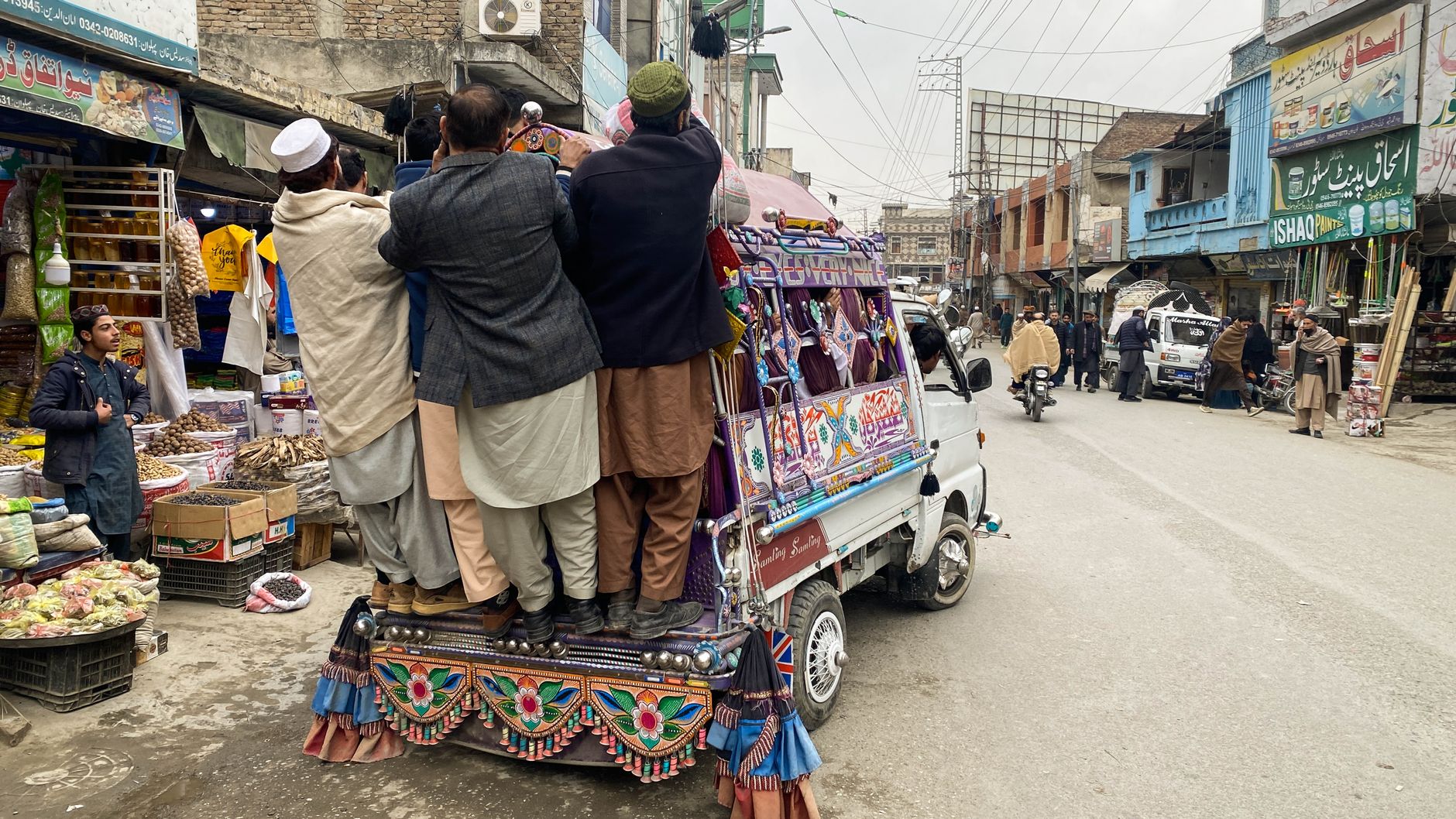
Imran Khan government suspension has raised concerns across Pakistan as the government declares an emergency in Khyber Pakhtunkhwa. This unprecedented move is set to reshape the political landscape.
Understanding the Emergency Declaration
The recent announcement of the emergency declaration in Khyber Pakhtunkhwa has significant implications for the region and the Imran Khan government suspension. This unprecedented move comes amid escalating tensions and political instability, marking a critical moment in Pakistan’s governance.
Understanding the reasons behind this emergency declaration is essential. Law enforcement officials cited:
- Public Safety Concerns: Rising violence and unrest have prompted the government to prioritize the safety of its citizens.
- Political Turmoil: The suspension of Imran Khan’s party-led government has created a power vacuum, leading to uncertainty and unrest.
- Economic Factors: The economic situation in Khyber Pakhtunkhwa has deteriorated, necessitating immediate intervention to stabilize the region.
This emergency declaration grants the government extraordinary powers, which could affect civil liberties and the political landscape significantly. Critics argue that such measures could exacerbate tensions further and undermine democratic processes. On the other hand, supporters believe that it is a necessary step to restore order.
As the situation evolves, understanding the full impact of the Imran Khan government suspension will be crucial for policymakers and citizens alike.
Impact on Khyber Pakhtunkhwa Residents
The recent suspension of the Imran Khan government has sent shockwaves throughout Khyber Pakhtunkhwa, affecting residents across various sectors. With the declaration of emergency, the provincial administration is facing significant challenges that could alter daily life for many.
Residents are particularly concerned about the following impacts:
- Public Services: Essential services such as healthcare and education may be disrupted as the government shifts its focus to maintaining order.
- Economic Stability: Businesses are bracing for uncertainty, with many fearing a downturn in economic activity and potential job losses.
- Security Concerns: The emergency declaration raises fears of increased law enforcement presence, which could lead to tensions between authorities and civilians.
- Political Unrest: The suspension of the Imran Khan government has already sparked protests, leading to further instability in the region.
- Community Relations: The divide in political opinions may strain relationships among residents, making it difficult for communities to unite in times of need.
As the situation unfolds, the long-term effects of the Imran Khan government suspension will become more apparent, leaving many to wonder how they will navigate these uncertain times.
Political Reactions to the Suspension
The suspension of the Imran Khan government has elicited a variety of political reactions across Pakistan. As the nation grapples with the implications of the emergency declaration, several political leaders have voiced their opinions.
- Opposition parties: Many opposition leaders have criticized the decision, arguing that it undermines democratic processes and sets a dangerous precedent for governance. They assert that the suspension of the Imran Khan government is a tactic to stifle political dissent.
- Supporters of Imran Khan: Supporters are rallying around Khan, claiming that this move is a direct attack on their political will. They express fears that such actions could lead to further instability in the region.
- International observers: Analysts and diplomats have begun to express concern regarding the potential for increased unrest. They are closely monitoring the situation, warning that the political climate could escalate if the situation is not handled delicately.
- Public sentiment: Citizens are divided in their opinions. Some believe that the emergency is necessary for security, while others fear it could lead to authoritarianism.
Overall, the political landscape remains fraught with tension as the implications of the Imran Khan government suspension unfold.
Historical Context of Government Suspensions
The suspension of the Imran Khan government marks a significant moment in Pakistan’s political landscape, echoing a history of governmental interruptions and emergency declarations. Over the decades, similar actions have often stemmed from political instability or security concerns, altering the course of governance and public life in the country.
Historically, such suspensions have led to various outcomes, ranging from temporary governance disruptions to long-lasting political ramifications. The decision to suspend the government typically arises in response to rising tensions, economic crises, or threats to national security. For instance, past suspensions have frequently been accompanied by the imposition of martial law, affecting civil liberties and political freedom.
In the context of the Imran Khan government suspension, the implications may extend beyond immediate governance issues. Analysts suggest that this could reshape the political alliances and power dynamics within Khyber Pakhtunkhwa and beyond. Citizens and political observers are watching closely, as the response to this suspension could influence future electoral processes and the overall democratic framework in Pakistan.
As the situation unfolds, the long-term impact of the Imran Khan government suspension remains to be seen.
What Comes Next for Imran Khan?
The suspension of the Imran Khan government has left many wondering what the future holds for both the political landscape and the citizens of Khyber Pakhtunkhwa. As the emergency declaration takes effect, several key outcomes are anticipated.
First, a shift in governance may lead to increased instability in the region, with the provincial administration grappling to maintain order amidst widespread discontent. Citizens are concerned about how this suspension will affect daily life, including access to essential services and security.
Furthermore, political analysts predict that the suspension could spark a power struggle among rival factions, with various groups vying for control in the wake of Khan’s removal. This could result in a turbulent political climate, making it challenging for the provincial assembly to function effectively.
In the coming weeks, we may witness:
- Protests: Citizens may take to the streets to express their dissatisfaction.
- Political Maneuvering: Parties will likely realign themselves in response to the suspension.
- Legal Challenges: Khan’s party may seek judicial recourse against the government’s actions.
As the situation unfolds, the impact of the Imran Khan government suspension will continue to resonate across Pakistan.
Legal Implications of the Emergency
The legal implications of the emergency declaration following the Imran Khan government suspension are significant and multifaceted. The move has raised questions about the constitutionality of the suspension and the government’s authority to impose such measures.
Legal experts are analyzing several key aspects:
- Constitutional Authority: The constitution grants certain powers to the government during emergencies, but limitations exist. The legality of the government’s actions will likely be challenged in court.
- Judicial Oversight: The judiciary’s role in reviewing the emergency declaration will be crucial. Courts may need to assess whether the reasons provided for the emergency are valid and proportionate.
- Political Trials: There are concerns that the suspension could lead to politically motivated trials against opposition leaders, which would further complicate the legal landscape in Pakistan.
- Public Sentiment: The perceived fairness of the legal proceedings may influence public opinion and could affect the government’s legitimacy moving forward.
As the situation unfolds, the legal ramifications of the emergency declaration will play a vital role in shaping Pakistan’s political future.
Public Sentiment on the Ground
The suspension of Imran Khan’s government has generated a significant shift in public sentiment across Pakistan, particularly among the residents of Khyber Pakhtunkhwa. Many citizens express a mix of confusion and frustration over the unexpected political upheaval.
According to recent surveys, public opinion is sharply divided:
- Support for Imran Khan: A substantial portion of the population remains loyal to Khan, viewing the suspension as an unjustified attack on democracy.
- Concerns about Stability: Others worry about the implications of the suspension, fearing it could lead to increased instability in the region.
- Calls for Dialogue: Many citizens are advocating for open discussions between political leaders to address the crisis and restore normalcy.
Social media platforms have become hotbeds for debate, with users voicing their opinions on the future direction of the country. While some celebrate the suspension of Imran Khan’s government as a necessary step, others see it as a dangerous precedent that undermines democratic governance.
As emotions run high, the real impact of the government suspension will largely depend on how the situation unfolds in the coming weeks.
International Reactions to the Crisis
International reactions to the crisis following the Imran Khan government suspension have been varied, reflecting a mix of concern and support from different global powers.
- Western Nations: Many Western governments have expressed alarm regarding the implications of the emergency declaration. They have called for restraint and urged the Pakistani authorities to uphold democratic principles and human rights.
- Regional Responses: Neighboring countries have taken a cautious approach, emphasizing the need for stability in Pakistan. Some leaders have offered support, while others remain silent, indicating a wait-and-see attitude.
- International Organizations: Groups such as the United Nations have called for dialogue among political factions in Pakistan. They stress the importance of a peaceful resolution to avoid further unrest.
- Public Figures and Activists: Prominent global figures have voiced their opinions on social media, highlighting the potential risks of political instability in Pakistan and its effects on regional security.
Overall, the international community is closely monitoring the situation, with many emphasizing the need for a swift return to democratic governance to ensure stability in the region.
The Imran Khan government suspension has raised concerns about political stability in Pakistan. Analysts are debating the long-term effects of the Imran Khan government suspension on the country’s economy and governance.
Photo by Amjad ali on Pexels