
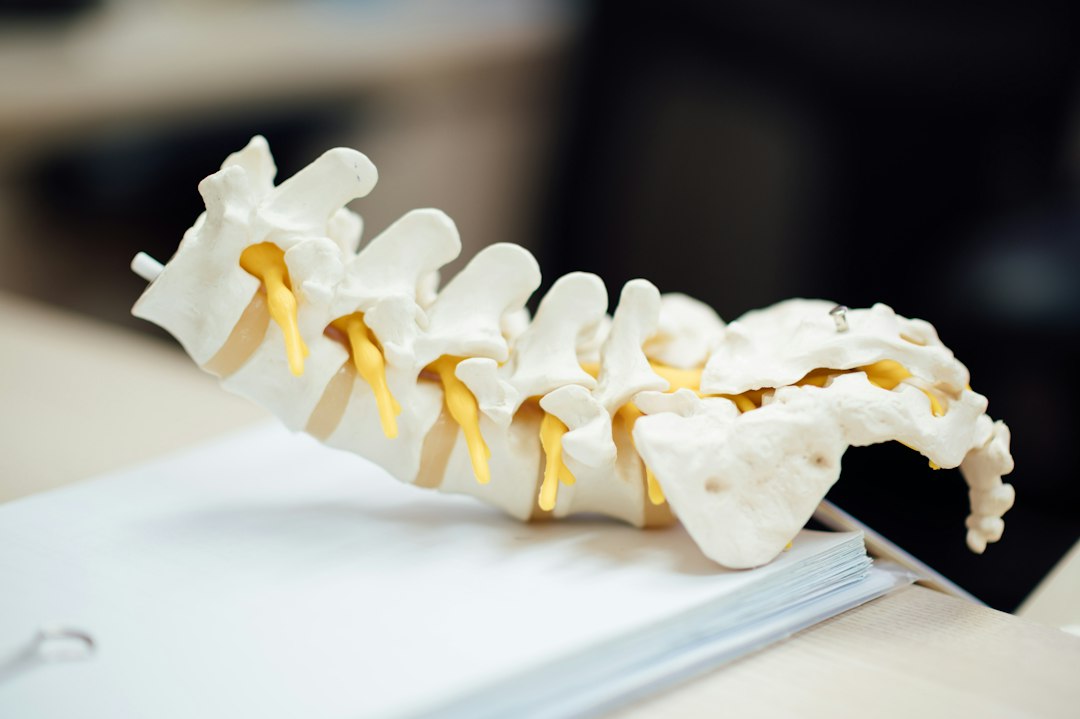
What are patients looking for when choosing professional care for back concerns? In Tampa, growing interest in personalized treatment, advanced diagnostics, minimally invasive procedures, and structured recovery planning is shaping the modern approach to spinal health. Patients searching for back doctors tampa often want more than symptom relief; they want a clear understanding of their condition and a treatment plan suited to their individual needs. Endoscopic Spine FL provides a patient-focused approach to modern spine care.
Table of Contents
- What is changing in modern back care?
- Which trends are influencing treatment decisions?
- Why are minimally invasive techniques becoming popular?
- How does imaging contribute to back care?
- When should someone consider seeing a back specialist?
- What role does recovery planning play?
- How does patient education improve the care experience?
- What does the future of back care look like?
- Conclusion
What is changing in modern back care?
Why is today’s approach different from traditional back care? Modern treatment increasingly focuses on identifying the specific source of discomfort before recommending a solution. Rather than relying on a single approach, specialists may consider medical history, physical findings, imaging results, lifestyle, and personal goals when developing a treatment strategy.
This individualized approach can help patients understand their condition and participate more confidently in decisions about their care.
Which trends are influencing treatment decisions?
What developments are gaining attention? Minimally invasive techniques, improved imaging, endoscopic procedures, and personalized rehabilitation are important trends in contemporary spine care. These developments are helping specialists approach selected spinal conditions with greater precision.
Technology also supports more detailed assessments. When diagnostic information is combined with a professional examination, physicians can create treatment plans based on the patient’s particular anatomy and symptoms.
Why are minimally invasive techniques becoming popular?
What makes minimally invasive spine procedures appealing? These techniques are designed to address certain conditions through smaller access points and with targeted surgical approaches. When clinically appropriate, they may reduce disruption to surrounding tissues and support a more comfortable recovery experience.
Not every spinal condition requires or qualifies for minimally invasive treatment. A detailed evaluation is important for determining whether an endoscopic or other minimally invasive technique is suitable for a particular patient.
How does imaging contribute to back care?
Can advanced imaging improve treatment planning? Detailed imaging can provide valuable information about structures such as discs, vertebrae, joints, and nerves. This information can help a specialist connect a patient’s symptoms with potential structural findings.
Imaging is most useful when considered alongside the patient’s symptoms and physical examination. This comprehensive perspective allows treatment recommendations to be based on the complete clinical picture rather than a scan alone.
When should someone consider seeing a back specialist?
What signs suggest that professional evaluation may be helpful? Ongoing back discomfort, recurring symptoms, reduced mobility, or difficulty performing normal activities can all be reasons to seek professional guidance. Patients who have tried conservative approaches without achieving the desired improvement may also benefit from a specialist assessment.
A consultation provides an opportunity to understand the potential cause of symptoms and discuss appropriate treatment choices. Seeking an evaluation does not automatically mean surgery is necessary.
What role does recovery planning play?
Why is recovery considered part of treatment? Modern spine care looks beyond the procedure itself. Recovery planning can include guidance about movement, activity levels, rehabilitation, and gradual return to everyday routines.
Understanding the recovery process in advance can help patients prepare mentally and practically. It also encourages active participation in the healing journey.
How does patient education improve the care experience?
Why do explanations matter? Patients often feel more comfortable when they understand their diagnosis and treatment options. Clear communication can help explain what a condition means, why a particular approach may be recommended, and what patients can reasonably expect during recovery.
Endoscopic Spine FL emphasizes education and individualized care so patients can approach spine treatment with greater clarity and confidence.
What does the future of back care look like?
Where is modern spine care heading? The continued development of minimally invasive technology, precision diagnostics, individualized treatment planning, and patient-centered recovery strategies is creating new opportunities for comprehensive back care. The focus is increasingly on selecting the right treatment for the right patient rather than using a one-size-fits-all approach.
Conclusion
How can patients approach back health with confidence? Understanding available treatment options and receiving a personalized professional evaluation are important steps. Modern back care combines clinical expertise, technology, individualized planning, and recovery support to create a positive treatment experience. Endoscopic Spine FL remains committed to modern spine care that emphasizes precision, patient education, and personalized treatment planning.
Key Takeaways
- Patients in Tampa are increasingly interested in personalized treatment, advanced diagnostics, and minimally invasive procedures for back care.
- Modern spinal health care focuses on identifying the specific source of discomfort before developing a treatment plan tailored to the patient’s individual needs.
- Minimally invasive techniques are becoming popular as they address certain conditions with targeted approaches that may reduce recovery time and tissue disruption.
- Detailed imaging plays a crucial role in back care by providing insights into the patient’s symptoms and structural findings for better treatment planning.
- Patients should consider consulting a back specialist if they experience ongoing discomfort, recurring symptoms, or reduced mobility after trying conservative treatments.
- Modern spine care emphasizes the importance of recovery planning, patient education, and individualized treatment to enhance patient understanding and engagement.