
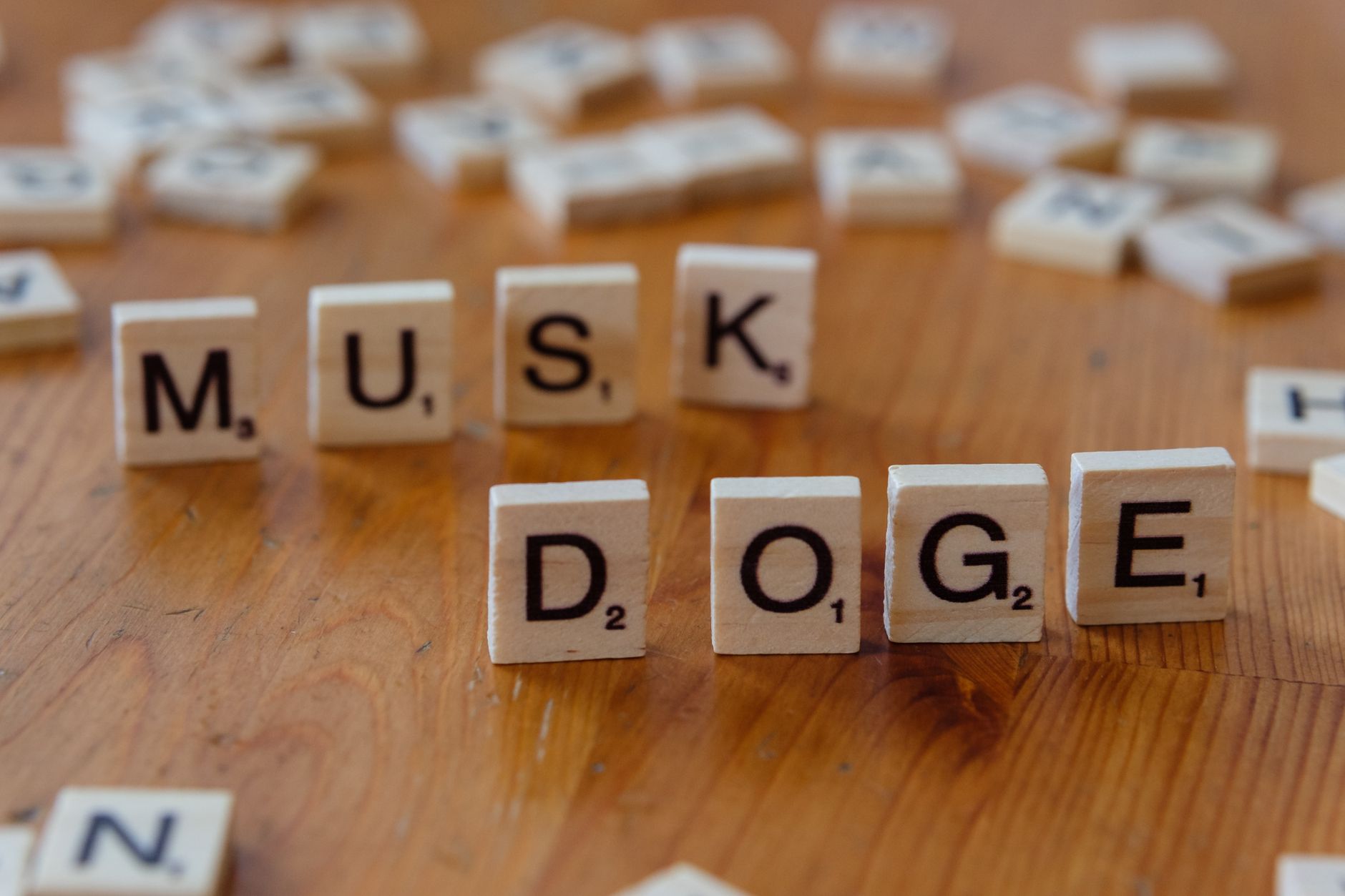
Musk midterms spending has reached $276 million as he seeks to help Republicans retain control of Congress. This significant investment raises questions about the influence of tech billionaires in politics.
Musk Midterms Spending Breakdown
In the lead-up to the midterms, Elon Musk’s financial contributions have sparked significant discussion among political analysts and party strategists. His midterms spending, totaling an impressive $276 million, aims to bolster Republican candidates across the country.
The breakdown of Musk’s contributions reveals a strategic approach to influencing key races. His funds have been allocated to various initiatives, including:
- Direct donations to Republican candidates: Musk has supported various incumbents and challengers who align with his vision for the future.
- Political action committees: A significant portion of his spending has flowed into PACs that support Republican platforms, allowing for wider reach and impact.
- Voter outreach programs: Funds have also been directed towards efforts aimed at increasing voter turnout among Republican constituents.
The impact of Musk’s midterms spending is already being felt, as candidates receiving his backing report increased campaign momentum. This financial boost is seen as crucial for Republicans looking to retain control of Congress amidst a challenging political landscape.
The Impact of Musk’s Investment
The impact of Musk’s investment in the midterms is a topic of considerable debate among political analysts and strategists. With a staggering $276 million allocated to support Republican candidates, the implications of this spending are significant.
Many experts highlight several potential effects of Musk’s midterms spending:
- Enhanced Visibility: Musk’s financial contributions have amplified the visibility of Republican candidates across various platforms, making it easier for them to reach voters.
- Strategic Targeting: The funds have allowed for targeted advertising campaigns that focus on key demographics, potentially swaying undecided voters.
- Mobilization of Grassroots Efforts: His investment has bolstered grassroots organizations, enabling them to mobilize supporters and increase voter turnout in crucial districts.
- Shaping Public Narrative: By funding specific messages and narratives, Musk’s spending can influence public opinion and frame the midterm elections in favor of Republicans.
However, there are concerns about the long-term repercussions of such substantial financial influence in politics. Critics argue that this level of spending can skew democratic processes and create an imbalance in campaign financing.
As the midterms approach, the true impact of Musk’s investment remains to be seen.
Republican Strategies for 2024
As the 2024 election cycle approaches, Republican strategies are increasingly influenced by the financial landscape shaped by Musk midterms spending. The significant investment made by Elon Musk has not only bolstered the party’s efforts in the previous elections but has also set a precedent for future funding approaches.
Republicans are now focusing on several key strategies:
- Targeted Advertising: Utilizing data analytics to identify and appeal to undecided voters in crucial swing states.
- Grassroots Mobilization: Building a robust ground game to engage local communities and increase voter turnout.
- Digital Outreach: Leveraging social media platforms to disseminate messages and counter opposition narratives, capitalizing on the online influence seen during the midterms.
- Coalition Building: Forming alliances with influential donors and organizations that align with their vision, inspired by Musk’s strategic partnerships.
These strategies reflect a shift in Republican campaigning, demonstrating how Musk’s midterms spending has not only impacted immediate elections but has also paved the way for a more aggressive and innovative approach in the upcoming 2024 elections.
Voter Reactions to Billionaire Influence
As the midterm elections approached, voter reactions to billionaire influence, particularly Musk midterms spending, became a focal point of discussion. Many constituents expressed a mix of skepticism and acceptance regarding the significant financial contributions made by high-profile figures like Elon Musk.
Some voters appreciated Musk’s involvement, believing that his financial backing could help amplify conservative voices and promote policies aligned with their values. Supporters argued that such investments are necessary to counterbalance the influence of liberal donations and media coverage.
Conversely, a notable portion of the electorate voiced concerns about the implications of a single billionaire wielding considerable power over the electoral process. Critics highlighted issues of transparency and fairness, questioning whether one individual’s spending could overshadow the voices of average voters.
In surveys conducted by various polling organizations, it was revealed that:
- 60% of respondents felt uneasy about the growing influence of wealthy donors in politics.
- 35% believed Musk’s contributions would positively impact Republican candidates.
- 5% remained unsure about the overall effects of such spending.
These contrasting views underline the complex relationship between wealth and democratic participation in today’s political landscape.
Musk midterms spending has sparked a debate among political analysts regarding its influence on voter turnout. Many believe that the significant financial contributions could reshape the Republican landscape in key battleground states.
Photo by Markus Winkler on Pexels
References
Ajit Doval Iran talks: What are the key insights? · Research Development Innovation Fund: Best Proven Managers Announced · Direct selling in India: The Real Proven Growth Story